
- World
- Mar 27
UN resolution calls slave trade as ‘gravest crime against humanity’
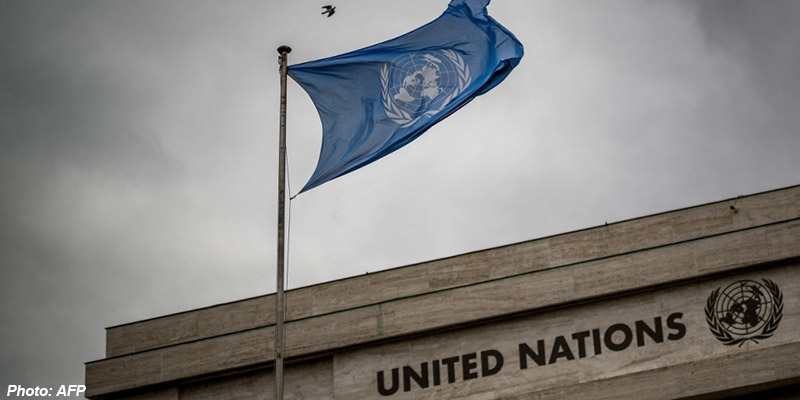
• The UN General Assembly adopted a resolution proposed by Ghana to recognise transatlantic slavery as the “gravest crime against humanity” on March 25.
• The resolution received 123 votes in favour. Three countries — Argentina, Israel and the United States — voted against and 52 abstained.
• For more than 400 years, millions of people were stolen from Africa, put in shackles and shipped to the New World to toil in cotton fields and sugar and coffee plantations under scorching heat and the crack of the whip.
• Millions of men, women and children were violently taken from their homes, denied their humanity, and forced to endure generations of exploitation.
• The resolution emphasised “the trafficking of enslaved Africans and racialised chattel enslavement of Africans as the gravest crime against humanity by reason of the definitive break in world history, scale, duration, systemic nature, brutality and enduring consequences that continue to structure the lives of all people through racialised regimes of labour, property and capital”.
• It affirmed the importance of addressing historical wrongs affecting Africans and people of the diaspora in a manner that promotes justice, human rights, dignity and healing, while emphasising that claims for reparations represent a concrete step towards remedy.
• The countries where enslaved Africans were taken from also suffered “a hollowing out” having lost entire generations who potentially could have helped them to prosper.
• The horrors of slavery echoed in the General Assembly Hall as Member States commemorated the International Day to remember its victims.
• The UN observes International Day of Remembrance of the Victims of Slavery and the Transatlantic Slave Trade on March 25.
Why March 25?
• The Abolition of the Slave Trade Act was passed in the United Kingdom on March 25, 1807.
• From that day on, “all manner of dealing and reading in the purchase, sale, barter, or transfer of slaves or of persons intending to be sold, transferred, used, or dealt with as slaves, practiced or carried in, at, or from any part of the coast or countries of Africa shall be abolished, prohibited and declared to be unlawful”.
• However, while the Act abolished the transatlantic trade in enslaved Africans, it did not abolish slavery, which still continued for decades.
• The abolition followed powerful and sustained acts of resistance by enslaved Africans, including the Haitian revolution, which led to the establishment in 1804 of the Republic of Haiti — the first nation to become independent as a result of the struggle of enslaved women and men.