
- World
- Apr 01
UNGA adopts resolution on mandate creation, implementation
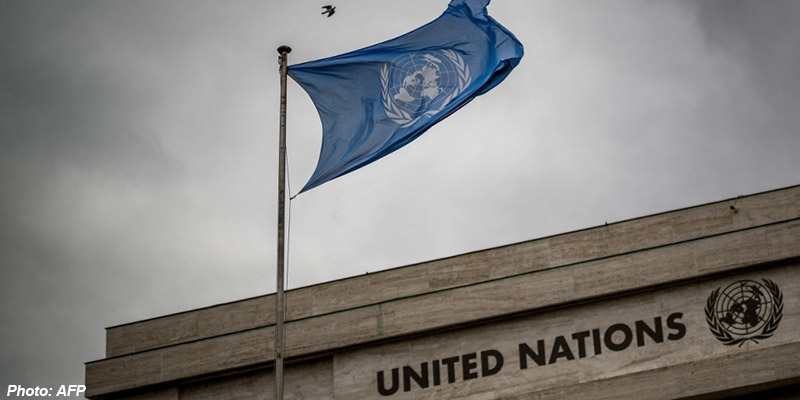
• The United Nations General Assembly adopted a landmark resolution to strengthen how UN mandates are created, implemented and reviewed across the system.
• The resolution was adopted by a recorded vote of 168 in favour, four against and no abstentions.
• The move marks a major milestone under the UN80 Initiative — a system-wide reform effort to make the UN more effective, coherent and better equipped to deliver results in a changing world.
• Launched by the Secretary General Antonio Guterres a year ago, the UN80 Initiative is designed to impact the UN from top to bottom, so that every mandate, dollar and decision delivers maximum value for people and the planet.
Why mandates matter?
• In the UN context, a mandate refers to the decision taken by Member States that gives a body authority to carry out its functions.
• By creating mandates, Member States instruct and guide the whole UN system on how to address global challenges: from supporting peace and security and delivering humanitarian aid, to advancing development and protecting human rights.
• Over time, however, the large number of mandates has created practical challenges.
• Since 1946, more than 40,000 resolutions, decisions and presidential statements have been adopted across key UN bodies.
• This has contributed to duplication and overlap, proliferating reports and meetings, and limited visibility and review mechanisms across the system.
• This can place a heavy burden on both Member States and the United Nations system, while making it harder to ensure effective and efficient mandate implementation.
What changes will the resolution bring in?
• The resolution introduces, for the first time, a more structured approach across the full mandate lifecycle — from design to implementation and review.
In practice, this means:
i) Clearer and more focused mandates, supported by better information for decision-making from the outset.
ii) Stronger and more coordinated implementation, with improved use of data, more user-oriented reporting and more effective use of resources.
iii) More systematic review of results, helping ensure mandates remain relevant and deliver impact, reinforcing a culture of continuous improvement, grounded in evidence, accountability and results.
iv) Increased transparency through improved digital tools, including through an expanded UN Mandate Registry, giving Member States more consolidated and comparable information on mandates, resources and results.
• The resolution is intended to make it easier for Member States to navigate an increasingly complex mandate landscape, while helping the United Nations reduce duplication, fragmentation and inefficiency.
• By strengthening how mandates are designed, delivered and reviewed, it aims to improve how the UN system translates decisions into results.
• The resolution builds on the work of the General Assembly’s Informal Ad Hoc Working Group on the Mandate Implementation Review, co-chaired by Jamaica and New Zealand.