
- World
- Apr 06
How nuclear science helps tackle food waste?
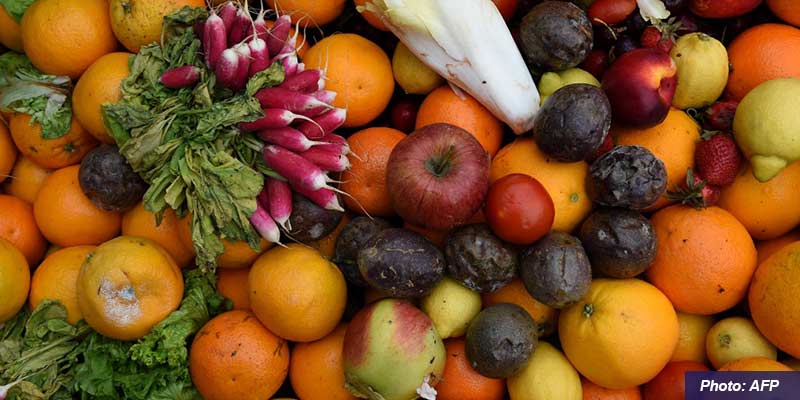
• Food waste is a growing global challenge. Every year, about one billion tonnes of edible food, nearly one-fifth of what reaches consumers, is wasted.
• This has significant impacts on both people and the environment.
• According to the Food and Agriculture Organisation of the United Nations (FAO), 13.2 per cent of food is lost before it reaches retail, representing an estimated $400 billion in losses.
• A further 19 per cent is wasted at retail and consumer levels. This represents an enormous waste of resources and contributes to greenhouse gas emissions, environmental pollution and biodiversity loss.
• The International Atomic Energy Agency (IAEA) through the Joint FAO/IAEA Centre of Nuclear Techniques in Food and Agriculture, supports countries with science-based solutions to reduce food loss and waste.
• It lists five ways nuclear science is helping tackle food waste and support a zero‑waste future.
They are:
1) Extending Shelf Life Through Food Irradiation
• Food irradiation is an innovative, safe and non-invasive technique that uses radiation such as X-rays, gamma rays or electron beam sources to keep food fresh and safe for longer.
• It eliminates microbes and controls insects and other pests while preserving the nutritional content, flavour and overall quality of food.
• It works by reducing microorganisms and pests that cause spoilage, significantly extending the shelf life of food products.
• For example, irradiation can help fresh strawberries stored in a refrigerator last up to seven days longer.
• By extending the shelf life of fruits, vegetables, grains and spices, this technique reduces losses during storage and transport and helps ensure that more food reaches consumers instead of being discarded.
2) Strengthening Food Safety with Nuclear-Based Techniques
• Food contaminated with pathogens or toxins, identified through laboratory testing within market or border controls, is often withdrawn or rejected for import and then it is discarded.
• Nuclear and nuclear‑derived methods such as X-ray fluorescence, neutron activation, stable isotope based techniques and advanced laboratory diagnostics help countries detect contaminants quickly and accurately.
• These techniques strengthen national food safety systems, reduce unnecessary disposal of food and prevent food that is safe from being discarded due to uncertainty.
3) Supporting Climate-Resilient Farming to Reduce Losses
• Nuclear techniques can be used to accelerate the natural process of plant breeding, enabling the development of crop varieties that are more resilient to climate stress, pests and diseases.
• The IAEA supports mutation breeding and associated biotechnologies to develop crops that are more resistant to disease, more tolerant to climate stress (drought, salinity) and higher yielding. This means fewer crops are lost in the field.
4) Improving Pest Control with the Sterile Insect Technique (SIT)
• Pests destroy millions of tonnes of crops annually. The sterile insect technique is a method that uses ionising radiation to sterilise large numbers of insects reared in mass-rearing facilities, which are then released over infested areas to mate with the wild pest population.
• As these sterilised insects are incapable of producing any offspring, the insect population declines over time.
• The SIT has helped countries such as the Dominican Republic eradicate insect pests reduce major agricultural pests, protect crops and support access to export markets.
5) Facilitating Safe and Efficient Trade
• Food often spoils while waiting for inspection and results for conformity with regulations and guidelines.
• Nuclear and isotopic techniques help verify food authenticity, detect adulteration, and verify the labelling information to ensure compliance with international standards.
• Faster, trusted certification means fewer delays and less food wasted due to spoilage in transit.
• The IAEA and FAO assist countries in combating food fraud, detecting harmful contaminants and ensuring the authenticity and quality of food products.
• Both organisations continue to support food safety and quality and forge partnerships under the Atoms4Food initiative, which aims to leverage innovative nuclear techniques to enhance agricultural productivity, reduce food losses and waste, ensure food security and improve nutrition.