
- World
- Apr 17
World Haemophilia Day on April 17
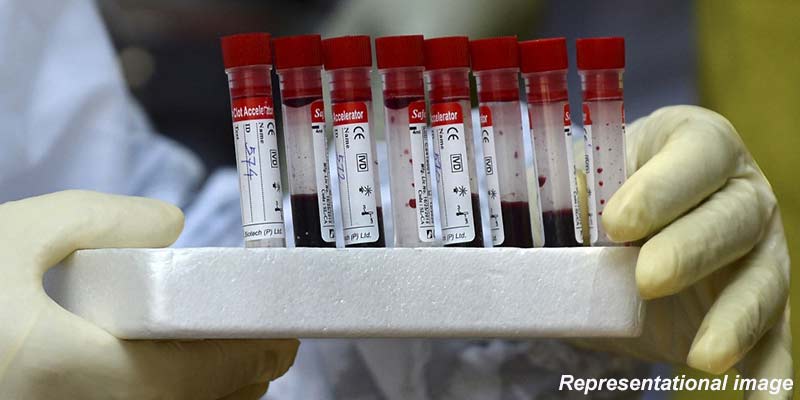
• World Haemophilia Day is observed annually on April 17 as a global healthcare initiative to create awareness on bleeding disorders.
• It aims to promote better control and prevention of haemophilia, through collaboration with local policymakers, as well as to ensure improved treatment and care for those affected.
• This year’s theme “Diagnosis: First step to care” highlights the critical importance of diagnosis — the essential first step in treatment and care.
Key facts on haemophilia:
• Haemophilia is usually an inherited bleeding disorder in which the blood doesn’t clot properly. This can lead to spontaneous bleeding as well as bleeding following injuries or surgery.
• The disorder primarily affects males.
• Blood contains many proteins called clotting factors that can help to stop bleeding.
• People with haemophilia A or B have low levels of either factor VIII (8) or factor IX (9), respectively. The severity of haemophilia that a person has is determined by the amount of factor in the blood.
• The lower the amount of the factor, the more likely it is that bleeding will occur, which can lead to serious health problems.
• Haemophilia is caused by a mutation or change, in one of the genes, that provides instructions for making the clotting factor proteins needed to form a blood clot.
• This change or mutation can prevent the clotting protein from working properly or to be missing altogether.
• Haemophilia A is characterised by a deficiency of the blood clotting protein known as Factor VIII that results in abnormal bleeding.
• There are several different types of hemophilia. The following two are the most common:
i) Hemophilia A (classic hemophilia): This type is caused by a lack or low level of clotting factor VIII (8).
ii) Hemophilia B (Christmas disease): This type is caused by a lack or low level of clotting factor IX (9).
• The most common types of hemophilia are inherited and, therefore, are present from birth.
• In rare cases, a person can develop hemophilia later in life. This is known as acquired hemophilia.
• The majority of acquired hemophilia cases occur in middle-aged or elderly people, or young women who have recently given birth or are in the later stages of pregnancy. This condition often resolves with appropriate treatment.