
- World
- Apr 18
UNESCO grants ‘enhanced protection’ to 39 cultural heritage sites in Lebanon
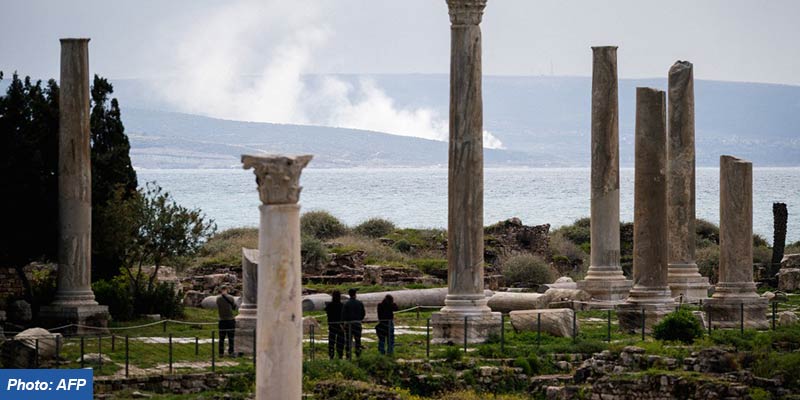
• Earlier in April, UNESCO convened an extraordinary meeting to strengthen the protection of cultural heritage in Lebanon.
• The meeting led to granting provisional enhanced protection to 39 cultural properties as well as the provision of an international financial assistance, totalling over $100,000 for emergency operations on the ground.
• Since the outbreak of the war, UNESCO has received reports of damage to more than 20 different cultural sites, including World Heritage Sites and others of national importance.
• UNESCO has confirmed damage to five cultural properties in the region, including a synagogue, the Golestan palace, the Sa’dabad palace and the old Senat palace (all in Iran), along with Tyre in Lebanon, inscribed in the World Heritage Sites list in 1984.
• Non-compliance with these clauses would constitute serious violations of the 1954 Hague Convention and its 1999 Second Protocol and would constitute potential grounds for criminal responsibility.
• Enhanced protection is the highest level of international legal protection that exists under the Second Protocol to the 1954 Hague Convention.
• It is granted to sites that are of greatest importance to humanity and it provides them with the highest level of immunity from military attacks.
• Any State or party not complying with the Convention could be guilty of a war crime.
• The sites placed under enhanced protection will receive technical and financial assistance from UNESCO to reinforce their legal protection, improve risk anticipation and management measures, and provide further training for cultural professionals and military personnel in this area.
• Enhanced protection also helps send a signal to the entire international community of the urgent need to protect these sites.
• UNESCO is also carrying out satellite monitoring of historical and heritage sites, in order to assess their state of conservation and any damage they have incurred, in partnership with UNITAR/UNOSAT, the United Nations Satellite Centre.