
- World
- Apr 25
- Sreesha V.M
El Nino set to return as early as May, forecasts WMO
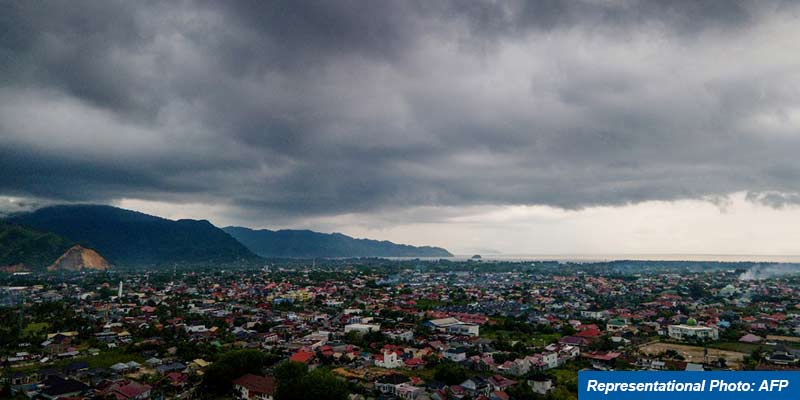
• The return of El Nino weather conditions are expected from as early as May this year impacting global temperature and rainfall patterns, the World Meteorological Organisation (WMO) said.
• The latest monthly Global Seasonal Climate Update from WMO signals a clear shift in the Equatorial Pacific with sea-surface temperatures rising rapidly.
• Forecasts indicate there is a “nearly global dominance of above-normal land surface temperatures” in the upcoming May-July period, and regional variations in rainfall patterns.
• After a period of neutral conditions at the start of the year, climate models are now strongly aligned, and there is high confidence in the onset of El Nino, followed by further intensification in the months that follow.
• El Nino events affect temperature and rainfall patterns in different regions and typically have a warming effect on the global climate.
• Seasonal forecasts for El Nino and La Nina are essential planning tools for climate-sensitive sectors like agriculture, energy, health and transport.
What is El Nino and La Nina?
• El Nino and La Nina events are a natural part of the global climate system. They occur when the Pacific Ocean and the atmosphere above it change from their neutral (‘normal’) state for several seasons.
• It occurs on average every two to seven years, and typically lasts nine to 12 months.
• El Nino, which is the warming of the waters in the Pacific Ocean near South America, is generally associated with the weakening of monsoon winds and dry weather in India.
• It influences weather and storm patterns in different parts of the world. But it takes place in the context of a climate being changed by human activities.
• It is associated with increased rainfall in the Horn of Africa and the southern US, and unusually dry and warm conditions in Southeast Asia, Australia and southern Africa.
• La Nina, which is the opposite of El Nino, typically brings good rainfall during the monsoon season.
• These changes in the Pacific Ocean and its overlying atmosphere occur in a cycle known as the El Nino-Southern Oscillation (ENSO).
• The term ‘El Nino’ translates from Spanish as ‘the boy-child’. Peruvian fishermen originally used the term to describe the appearance, around Christmas, of a warm ocean current off the South American coast. It is now the commonly accepted term to describe the warming of the central and eastern tropical Pacific Ocean. ‘La Nina’ translates as ‘girl-child’ and is the opposite ENSO phase to El Nino.
• However, naturally occurring climate events such as La Nina and El Nino events are taking place in the broader context of human-induced climate change, which is increasing global temperatures, exacerbating extreme weather and climate, and impacting seasonal rainfall and temperature patterns.
(The author is a trainer for Civil Services aspirants.)