
- World
- Apr 28
840,000 deaths a year linked to psychosocial risks at work
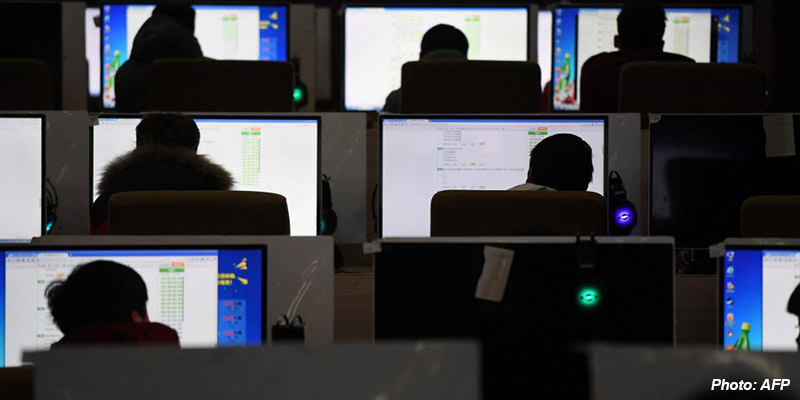
• The International Labour Organisation (ILO) observes World Day for Safety and Health at Work on April 28.
• It promotes the prevention of occupational accidents and diseases globally.
• It is an awareness-raising campaign intended to focus international attention on the magnitude of the problem and on how promoting and creating a safety and health culture can help reduce the number of work-related deaths and injuries.
• April 28 is also the International Commemoration Day for Dead and Injured Workers organised worldwide by the trade union movement since 1996.
• The ILO marks the day with a global report that takes an organisational, prevention-focused approach and looks at psychosocial factors across three levels: the job, how work is managed and organised, and the broader policies, practices and procedures that govern work.
840,000 deaths a year linked to psychosocial risks at work
• More than 840,000 people die each year from health conditions linked to psychosocial risks, such as long working hours, job insecurity, and workplace harassment, according to a new global report by the ILO.
• These work-related psychosocial risks are mainly associated with cardiovascular diseases and mental disorders, including suicide.
• The report also finds that these risks account for nearly 45 million disability-adjusted life years (DALYs) lost annually, reflecting years of healthy life lost due to illness, disability, or premature death, and are estimated to result in economic losses equivalent to 1.37 per cent of global GDP each year.
• The psychosocial working environment is defined by how work is designed, organised and managed, and the organisational practices that shape everyday working conditions.
• Psychosocial factors — such as workload and working time, role clarity, autonomy, support, and fair and transparent processes — strongly influence how work is experienced and affect workers’ safety, health and performance.
• When psychosocial factors harm workers, they become hazards which, alongside physical, chemical and biological types, must be addressed and managed to ensure safe and healthy working environments.
• It warns that psychosocial risk factors — including long working hours, job insecurity, high demands with low control, and workplace bullying and harassment — can create harmful working environments if not properly addressed.
• Long working hours, a critical psychosocial risk factor associated with increased risk of cardiovascular disease and stroke, remain widespread.
• The ILO estimates that globally, 35 per cent of workers work more than 48 hours per week.
• Exposure to bullying and other forms of violence and harassment is another major concern.
• The ILO estimates that 23 per cent of workers globally have experienced at least one form of violence or harassment in their working life, with psychological violence being the most prevalent at 18 per cent.
• While many psychosocial risks are not new, major transformations in the world of work, including digitalisation, artificial intelligence, remote work, and new employment arrangements, are reshaping the psychosocial working environment.
• These changes may intensify existing risks or create new ones if not properly addressed.
• At the same time, they can offer opportunities for improved work organisation and greater flexibility, highlighting the need for proactive action.
• Improving the psychosocial working environment is essential not only for protecting workers’ mental and physical health, but also for strengthening productivity, organisational performance and sustainable economic development.
• By addressing these risks proactively, countries and enterprises can create healthier workplaces that benefit both workers and organisations while strengthening productivity and economic resilience.