
- World
- May 22
International Day for Biological Diversity on May 22
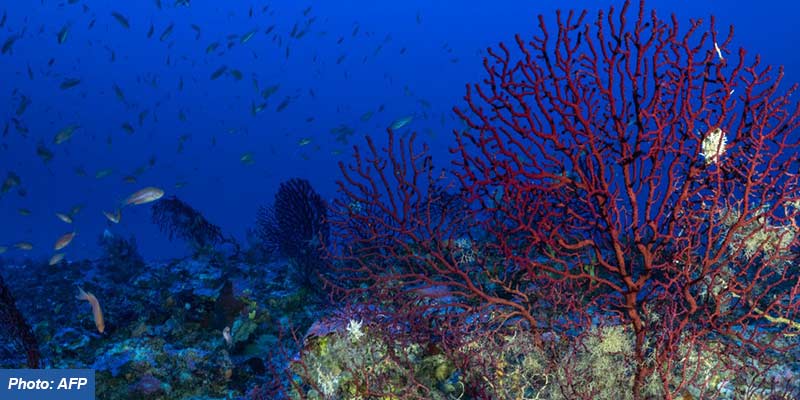
• The United Nations observes May 22 as International Day for Biological Diversity (IDB) to increase understanding and awareness of biodiversity issues.
• This International Day for Biological Diversity, under the theme “Acting locally for global impact”, a powerful idea is placed at the center: major changes begin on a small, local scale.
• The success of this plan to reverse biodiversity loss depends on the strength of local actions — on the commitment of communities, organisations, and governments working together.
• Despite all our technological advances we are completely dependent on healthy and vibrant ecosystems for our water, food, medicines, clothes, fuel, shelter and energy, just to name a few.
• This involves respecting, protecting, and repairing our biological wealth.
• In December 2022, the world came together and agreed on a global plan to transform our relationship with nature.
• The adoption of the Kunming-Montreal Global Biodiversity Framework, sets 23 targets for 2030 and four global goals for 2050 to stop and reverse the loss of nature.
• Among its goals: restore 30 per cent of degraded ecosystems, conserve 30 per cent of land, waters and seas, reduce the introduction or settlement of invasive alien species by 50 per cent, and mobilise $200 billion per year for biodiversity, all by 2030.
Significance of biodiversity
• Biological diversity is often understood in terms of the wide variety of plants, animals and microorganisms, but it also includes genetic differences within each species — for example, between varieties of crops and breeds of livestock — and the variety of ecosystems (lakes, forest, deserts, agricultural landscapes) that host multiple kind of interactions among their members (humans, plants, animals).
• Biological diversity resources are the pillars upon which we build civilizations. Fish provide 20 per cent of animal protein to about 3 billion people. Over 80 per cent of the human diet is provided by plants.
• As many as 80 per cent of people living in rural areas in developing countries rely on traditional plant‐based medicines for basic healthcare.
• But loss of biodiversity threatens all, including our health. It has been proven that biodiversity loss could expand zoonoses — diseases transmitted from animals to humans- while, on the other hand, if we keep biodiversity intact, it offers excellent tools to fight against pandemics like those caused by coronaviruses.
• While there is a growing recognition that biological diversity is a global asset of tremendous value to future generations, the number of species is being significantly reduced by certain human activities.
• Given the importance of public education and awareness about this issue, the UN decided to celebrate the International Day for Biological Diversity annually.
How was the day selected?
• When first created by the Second Committee of the UN General Assembly in late 1993, December 29 (the date of entry into force of the Convention of Biological Diversity), was designated the International Day for Biological Diversity.
• In December 2000, the UN General Assembly adopted May 22 as International Day for Biological Diversity, to commemorate the adoption of the text of the Convention on 22 May 1992 by the Nairobi Final Act of the Conference for the Adoption of the Agreed Text of the Convention on Biological Diversity.
• This was partly done because it was difficult for many countries to plan and carry out suitable celebrations for the date of December 29, given the number of holidays that coincide around that time of year.