
- World
- May 27
What is the role of ICAO?
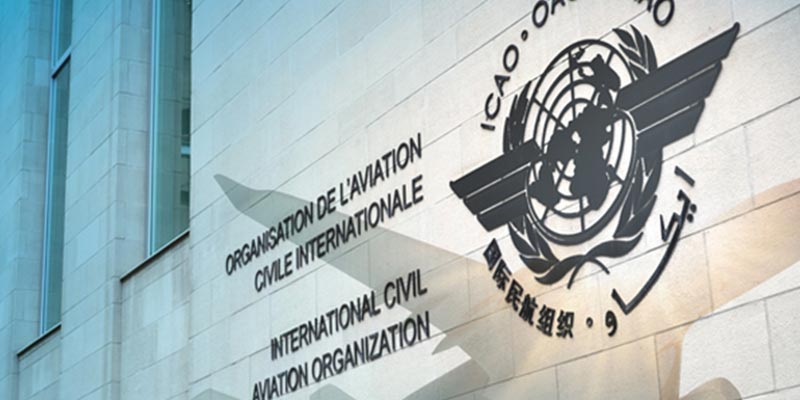
• As a deadly Ebola strain continues to spread in the Democratic Republic of the Congo (DRC), with cases confirmed in neighbouring Uganda, International Civil Aviation Organisation (ICAO) urged governments and flight operators to closely follow guidelines put in place following the COVID-19 pandemic.
• The COVID-19 pandemic caused massive disruption to air travel, prompting ICAO to establish new protocols for rapid, standardised information sharing among States, airlines, airports, and health agencies.
• Digital innovations such as electronic health declarations and contactless border processes have been integrated into ICAO’s recommendations to track and manage health risks more effectively.
• The outbreak of the Bundibugyo (BVD) strain is a major cause for concern in Congo, where there have been more than 900 suspected cases and around 220 suspected deaths.
• So far, there have been seven confirmed cases in Uganda.
• The World Health Organisation (WHO) said that the outbreak, which it has declared a public health emergency of international concern (PHEIC), is spreading faster than health workers can contain it.
• The ICAO is coordinating with WHO and its Member States to provide measures to prevent the transmission of the disease through air travel.
• These measures are also designed to protect the health of aviation personnel and passengers, reassure travellers, and keep flight cancellations to a minimum.
International Civil Aviation Organisation (ICAO)
• A specialised agency of the United Nations, the International Civil Aviation Organisation (ICAO) was created to promote the safe and orderly development of international civil aviation throughout the world. It sets standards and regulations necessary for aviation safety, security and facilitation, efficiency, economic development of air transport as well as to improve the environmental performance of aviation.
• The Convention on International Civil Aviation, drafted in 1944 by 54 nations, was established to promote cooperation and “create and preserve friendship and understanding among the nations and peoples of the world.”
• Known more commonly today as the ‘Chicago Convention’, this landmark agreement established the core principles permitting international transport by air, and led to the creation of the specialised agency which has overseen it ever since.
• On April 4, 1947, upon sufficient ratifications to the Chicago Convention, the International Civil Aviation Organisation (ICAO) was established. The first official ICAO Assembly was held in Montreal in May of that year.
• ICAO is funded and directed by 193 national governments to support their diplomacy and cooperation in air transport as signatory states to the Chicago Convention.
• The headquarters of ICAO is situated in Montreal.
• Its core function is to maintain an administrative and expert bureaucracy (the ICAO Secretariat) supporting these diplomatic interactions, and to research new air transport policy and standardisation innovations as directed and endorsed by governments through the ICAO Assembly, or by the ICAO Council which the assembly elects.
• ICAO is not an international aviation regulator. The stipulations ICAO standards contain never supersede the primacy of national regulatory requirements. It is always the local, national regulations which are enforced in, and by, sovereign states, and which must be legally adhered to by air operators making use of applicable airspace and airports.
• The Secretariat of the ICAO is headed by the Secretary General.