
- World
- Jun 18
Hate speech is first step down the path of dehumanisation, says UN chief
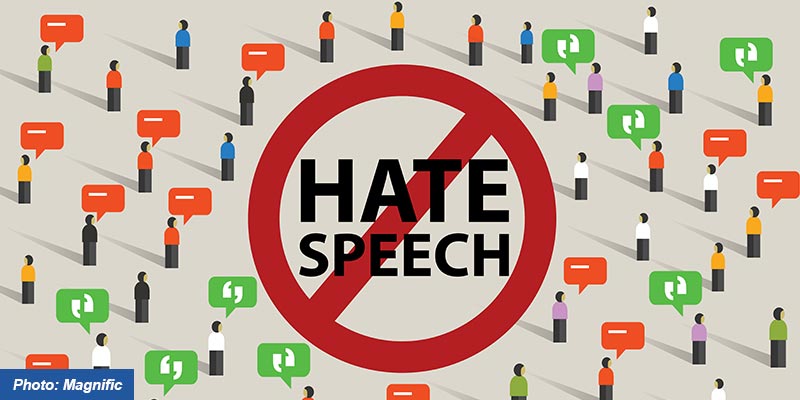
• As online platforms continue to fuel a surge in real-world violence against vulnerable communities, UN Secretary-General Antonio Guterres warned that freedom of expression must never be used to justify hate speech.
• Hate speech is the first step down the path of dehumanisation, he declared in his message marking the International Day for Countering Hate Speech on June 18.
• In our digital age, hate speech spreads faster than ever, amplified by unregulated platforms and intensified by artificial intelligence. Too many algorithms reward outrage and division, incentivising lies for likes and promoting violence for views, he noted.
• The UN Secretary-General has long rejected the argument that taking a stand on the issue is an infringement on freedom of speech.
• The strategy aims to coordinate efforts across the United Nations system to identify, prevent and confront hate speech whilst respecting international human rights standards.
What is hate speech?
• There is no international legal definition of hate speech. The term hate speech is understood as any kind of communication in speech, writing or behaviour that attacks or uses pejorative or discriminatory language with reference to a person or a group on the basis of who they are, in other words, based on their religion, ethnicity, nationality, race, colour, descent, gender or other identity factor. This generates intolerance and hatred and, in certain contexts, can be demeaning and divisive.
• Hate speech incites violence and undermines social cohesion and tolerance.
• Incitement is a very dangerous form of speech, because it explicitly and deliberately aims at triggering discrimination, hostility and violence, which may also lead to or include terrorism or atrocity crimes.
• Hate speech not only affects the specific individuals and groups targeted, but societies at large.
• The escalation from hate speech to violence has played a significant role in the most horrific and tragic crimes of the modern age, from the antisemitism driving the Holocaust, to the 1994 genocide against the Tutsi in Rwanda.
• The Internet and social media have turbocharged hate speech, enabling it to spread like wildfire across borders.
• If left unchecked, hate speech can even harm peace and development, as it lays the ground for conflicts and tensions and wide scale human rights violations.
Urgent need to strengthen practical approaches
• The UN Strategy and Plan of Action on Hate Speech underscores the importance of partnerships in the fight against hate speech.
• Indeed, as hate speech affects the whole society, a whole-of-society approach is necessary to address this phenomenon.
• Relatedly, the UN Strategy stresses the need to raise awareness about respect for human rights, non-discrimination, coexistence, acceptance and respect for diversity and understanding of other cultures and religions, as well as the promotion of intercultural, interfaith and interreligious dialogue.
• It urges the use of advocacy to highlight hate speech trends of concern as well as to express sympathy and support to targeted individuals or groups.
• This is most resonant in the current context of rising conflicts globally, both in their frequency and intensity as well as in the ways in which hate speech is used to fuel them.
• To protect all those at risk of hate speech, which can lead to incitement to violence, there is an urgent need to further strengthen practical approaches and tools, and scalable strategies to break the cycles of hate, elevate empathy, and acceptance, and respect for diversity as critical pillars in any society and reinforce the foundations of dialogue and understanding as instrumental to building peaceful and just societies.
• These practical approaches entail policies, new technologies and innovative partnerships to advance and sustain efforts to not only address the root causes of hate speech but also mitigate its impact on societies and communities and to counter it.
• They consider the intersection of education, media, digital literacy, monitoring, data collection and identification of access points for interventions.
• In the current international landscape, partnerships also remain essential in designing and implementing these practical tools and approaches for countering hate speech and other noxious narratives and contribute to a healthy information ecosystem.