
- World
- Jun 27
World MSMEs Day on June 27
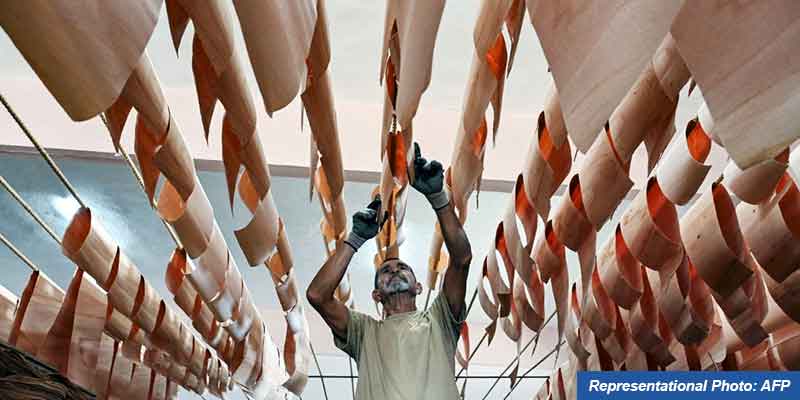
• The United Nations observes June 27 as ‘Micro, Small, and Medium-sized Enterprises Day’ to raise awareness of the tremendous contributions of MSMEs to the achievement of the United Nations Sustainable Development Goals (SDGs).
• This year’s theme is ‘Empowering MSMEs through Innovation and Sustainable Industrial Development’.
Why is the MSME sector important worldwide?
• MSMEs account for 90 per cent of businesses, 60-70 per cent of employment and 50 per cent of GDP worldwide.
• They also account for the majority of new job creation.
• As the backbone of societies everywhere they contribute to local and national economies and to sustaining livelihoods, in particular among the working poor, women, youth, and groups in vulnerable situations.
• MSMEs hold the potential to transform economies, foster job creation, and promote equitable economic growth if given adequate support.
• MSMEs are key sources of jobs, income, and local growth, especially for women, young people, and vulnerable groups. Their size and flexibility help build strong, fair, and sustainable communities.
• However, many of these businesses face serious challenges. They often struggle to get loans, deal with poor infrastructure, and work under tough conditions. Many operate informally, which limits their access to funding, legal rights, and government support.
• Today’s global challenges — like political tensions, climate change, and digital shifts — make it even harder for them to survive. Supply chain issues, higher costs, and uncertain markets have left many at risk. A huge global funding gap remains, despite clear opportunities to grow.
• To help these businesses succeed, better policies and more accessible funding are crucial.
• Support for skills training, innovation, and fairer rules can also make a big difference. Since many operate outside the formal system, making it easier to register, access benefits, and follow labour laws will help create better jobs and stronger economies.
MSME sector in India
• The Micro, Small and Medium Enterprises (MSME) sector has emerged as a highly vibrant and dynamic sector of the Indian economy contributing around 30 per cent of India’s GDP and over 48 per cent of India’s exports.
• It contributes significantly to the economy and social development of the country by fostering entrepreneurship and generating large employment opportunities at comparatively lower capital cost, next only to agriculture.
• There are over 8.7 crore formally registered MSMEs under the Udyam Registration portal.
• The MSME sector in India is responsible for providing employment to 38 crore people.
• MSMEs are complementary to large industries as ancillary units. This sector contributes significantly to inclusive industrial development of the country.
• By fostering entrepreneurship, generating employment and promoting inclusive development, MSMEs continue to drive economic transformation at the grassroots level.
Classification criteria for MSMEs in India:
An enterprise shall be classified as a micro, small or medium enterprise on the basis of the following criteria:
1) Micro Enterprises: Where the investment in plant and machinery or equipment does not exceed Rs 2.5 crore and turnover does not exceed Rs 10 crore.
2) Small Enterprises: Where the investment in plant and machinery or equipment does not exceed Rs 25 crore and turnover does not exceed Rs 100 crore.
3) Medium Enterprises: Where the investment in plant and machinery or equipment does not exceed Rs 125 crore and turnover does not exceed Rs 500 crore.