
- World
- Jul 28
- Sreesha V.M
World Hepatitis Day on July 28
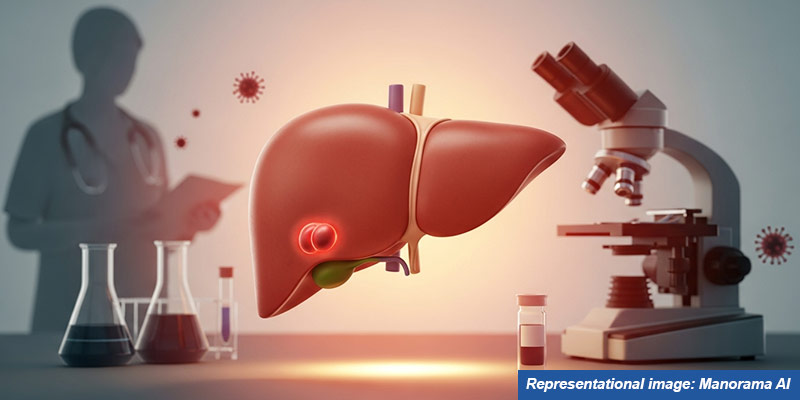
• World Hepatitis Day is observed on July 28.
• It aims to raise awareness of viral hepatitis, an inflammation of the liver that causes severe liver disease and liver cancer.
• The date of July 28 was chosen because it is the birthday of Nobel-prize winning scientist Baruch Blumberg, who discovered hepatitis B virus (HBV) and developed a diagnostic test and vaccine for the virus.
• Viral hepatitis continues to be a major cause of preventable illness and death worldwide.
• The tools needed to eliminate viral hepatitis already exist.
• The World Hepatitis Day 2026 theme, “Hepatitis: Let’s break it down”, is a call to remove the barriers that stand between people and the services that can save their lives.
Key points on viral hepatitis:
• Viral hepatitis — types A, B, C, D, and E — are major causes of acute liver infection.
• Hepatitis A is a liver infection caused by the hepatitis A virus (HAV). It is usually transmitted through exposure to contaminated food or water, or exposure to infected people. Almost everyone infected with HAV recovers fully with lifelong immunity, and this virus normally does not cause chronic infection.
• Hepatitis B is a liver infection caused by the hepatitis B virus (HBV). It can be spread through contact with infected body fluids such as blood, saliva, vaginal fluids and semen, or passed from mother to baby. HBV can also be spread via needle-stick injuries, tattooing, piercing, and sharing of contaminated needles or sharp instruments in health care settings or among people who inject drugs. Disease can be acute or chronic, with chronic infection raising risk of death from cirrhosis and liver cancer.
• Hepatitis C is a liver infection caused by hepatitis C virus (HCV). It is transmitted through contact with infected blood; common routes of transmission include unsafe injections and medical procedures, unscreened blood transfusion, and sharing of needles and syringes among people who inject drugs. HCV can lead to both acute and chronic illness, ranging in severity from mild illness to serious, lifelong illness including liver cirrhosis and cancer.
• Hepatitis D is a liver disease caused by the hepatitis D virus (HDV), a defective ribonucleic acid (RNA) virus that requires the presence of HBV for replication. HDV infection can occur either as a coinfection (when individuals acquire HBV and HDV simultaneously) or as a superinfection (when HDV infects someone who is already chronically infected with HBV). Thus, prevention of HBV infection through vaccination also prevents HDV infection. HBV-HDV co-infection is the most aggressive form of viral hepatitis due to its rapid progression towards cirrhosis and hepatocellular carcinoma. Treatment options remain limited and are much less effective than those for hepatitis B and C.
• Hepatitis E is a liver infection caused by the hepatitis E virus (HEV). It is transmitted via the faecal-oral route, mainly through contaminated water. In most cases, the infection resolves spontaneously within 2-6 weeks. In rare instances, the infection can become severe and progress to fulminant hepatitis (acute liver failure). There is no specific treatment.
• Among these only hepatitis B, C, and D can lead to chronic infections that significantly increase the risk of cirrhosis, liver failure, or liver cancer.
• In particular, types B and C lead to chronic disease in hundreds of millions of people and together are the most common cause of liver cirrhosis, liver cancer and viral hepatitis-related deaths.
• They are among the main infectious disease killers, causing an estimated 1.3 million deaths per year.
• This is despite the existence of interventions to prevent and treat infections of hepatitis B virus and hepatitis C virus, which in combination account for more than 95 per cent of viral hepatitis-related mortality.
• An estimated 304 million people worldwide live with hepatitis B or C, and for most, testing and treatment remain beyond reach.
• Effective vaccines, accurate diagnostics, curative treatments for hepatitis C, and lifelong therapies for hepatitis B can prevent infections, save lives, and reduce liver cancer and cirrhosis.
• Despite this, millions of people remain undiagnosed, untreated, or unable to access care due to stigma, limited awareness, health system gaps, and persistent inequalities.
A public health problem in India
• Hepatitis has been recognised as a public health problem in India.
• In 2018, the government launched the National Viral Hepatitis Control Programme (NVHCP) to combat this disease by providing screening and treatment services.
• This is in line with the UN’s Sustainable Development Goal of combating various viral diseases.
• The scale of hepatitis infection in India is significant, with the country’s 2021 HIV Sentinel Surveillance indicating that approximately 0.85 per cent of samples tested positive for hepatitis B and 0.29 per cent tested positive for Hepatitis C.
• It means roughly one in 118 people tested positive for hepatitis B and one in 345 people tested positive for hepatitis C.
• The key strategies adopted under the NVHCP include preventive, promotive and curative interventions with the focus on awareness generation, increasing access, providing diagnosis and treatment for viral hepatitis to all in need.
• The programme has offered free screening and treatment for hepatitis B and C nationwide.
• Smart use of local funding, cheaper generic drugs, and existing health programs has helped expand this care further.
(The author is a trainer for Civil Services aspirants.)