
- World
- Aug 06
Landlocked Developing Countries (LLDCs)
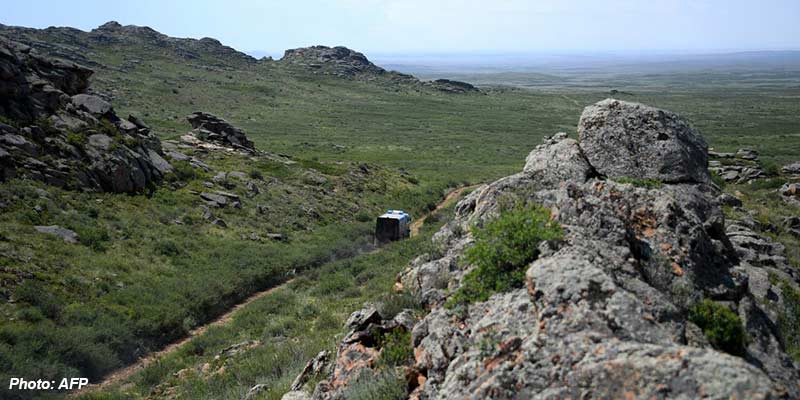
• The United Nations observes the International Day of Awareness of the Special Development Needs and Challenges of Landlocked Developing Countries on August 6.
• LLDCs lack territorial access to the sea, leaving them dependent on transit neighbors for a route to world markets.
• This geographic disadvantage drives up transport costs, introduces avoidable delays, and exposes LLDCs to any political or economic instability along those corridors.
• The results are stark: Average transport costs are more than twice those of neighboring coastal states.
• Export opportunities shrink, Foreign Direct Investment (FDI) falls, and economic growth slows.
• On average, LLDCs pay more than double their neighbours in transport costs to send and receive merchandise from overseas markets.
• Trade costs are up to 74 per cent higher than the global average and it can take twice as long to move goods across borders compared to coastal countries. As a result, landlocked nations are left with just 1.2 per cent of world trade.
• And amid global economic shifts, these countries face the huge risk of being left behind.
• Despite challenges, LLDCs host vibrant communities with untapped potential.
List of LLDCs
Afghanistan, Armenia, Azerbaijan, Bhutan, Bolivia, Botswana, Burkina Faso, Burundi, Central African Republic, Chad, Eswatini, Ethiopia, Kazakhstan, Kyrgyzstan, Lao PDR, Lesotho, Malawi, Mali, Mongolia, Nepal, Niger, North Macedonia, Paraguay, Republic of Moldova, Rwanda, South Sudan, Tajikistan, Turkmenistan, Uganda, Uzbekistan, Zambia, and Zimbabwe.
Other key points on LLDCs:
• The average distance of LLDCs to a seaport is 1,370 km. Kazakhstan is located farthest from the sea (3,750 km) followed by Afghanistan, Chad, Niger, Zambia, and Zimbabwe with distances from the nearest sea coast in excess of 2,000 km.
• The severity of the challenges faced by the LLDCs is further enhanced as 16 of the 32 LLDCs are Least Developed Countries (LDCs).
• Approximately 40 per cent of the urban population in the LLDCs lives in slums — 100 million people.
• More than double the number of people in LLDCs are undernourished compared to the rest of the world.