
- World
- Sep 05
WHO validates Bhutan for eliminating dog-transmitted human rabies
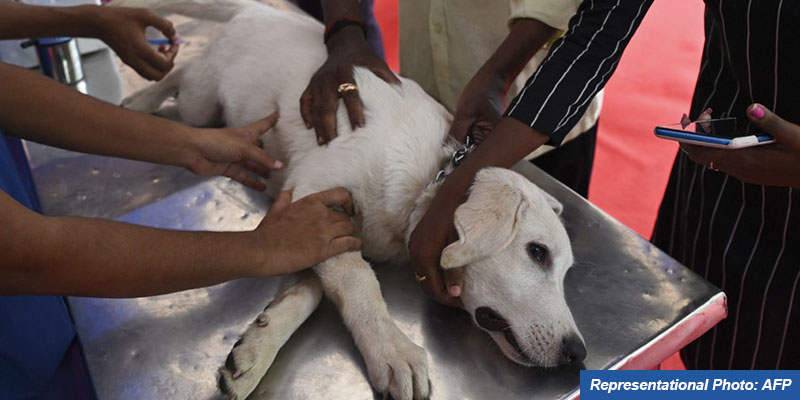
• The World Health Organisation (WHO) validated Bhutan’s elimination of dog-transmitted rabies as a public health problem in the country.
• Bhutan is the first country in the WHO South-East Asia Region to achieve this success.
How Bhutan achieved this milestone?
• Bhutan’s achievement is a result of more than a decade of sustained investment in a One Health approach, which recognises that the health of humans, animals, and ecosystems is closely interlinked.
• One Health promotes the optimisation of human, animal, plant and ecosystem health through coordinated and integrated actions across sectors.
• Through this approach, Bhutan has prioritised resource allocation, integrated surveillance, and strategic planning.
• The approach has proven effective in addressing public health challenges such as rabies.
• When a suspected rabies case is reported, animal and human health authorities collaborate to identify potential exposures and, when necessary, conduct joint field investigations under the One Health framework.
Key points on rabies:
• Rabies is a vaccine-preventable, zoonotic, viral disease affecting the central nervous system.
• In up to 99 per cent of the human rabies cases, dogs are responsible for virus transmission.
• Children between the age of 5 and 14 years are frequent victims.
• Rabies infects mammals, including dogs, cats, livestock and wildlife.
• Rabies spreads to people and animals via saliva, usually through bites, scratches, or direct contact with mucosa (e.g. eyes, mouth, or open wounds).
• Once clinical symptoms appear, rabies is virtually 100 per cent fatal.
• The global cost of rabies is estimated to be around $8.6 billion per year including lost lives and livelihoods, medical care and associated costs, as well as uncalculated psychological trauma.
• Over 29 million people worldwide receive human rabies vaccine annually.
• Post-exposure prophylaxis (PEP) is the emergency response to a rabies exposure. This prevents the virus from entering the central nervous system.
• PEP consists of thorough wound washing, administration of a course of human rabies vaccine and, when indicated, rabies immunoglobulins (RIG) injection.