
- World
- Sep 18
The crucial role of forests in food security and nutrition
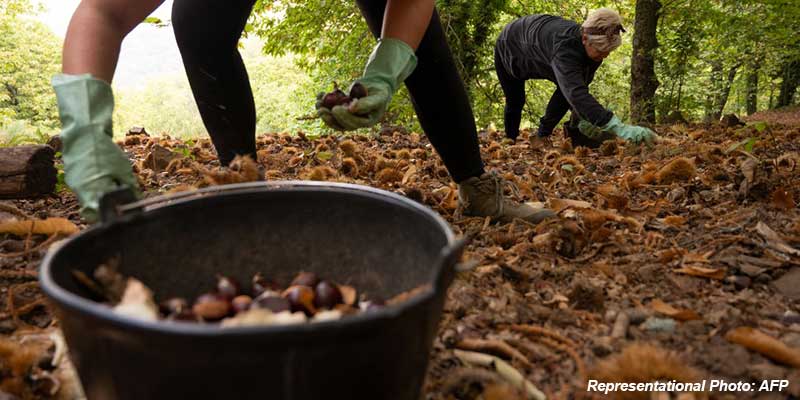
• Forests and trees play a crucial role in providing nutritious food, and more than 5 billion people worldwide rely on them to some extent for their livelihoods.
• Yet, their contribution to food security and nutrition remains largely overlooked in national statistics and policy frameworks.
• Over the last decade, the world lost an average of 10.9 million hectares of forest each year.
• Deforestation and forest degradation reduce biodiversity, weaken ecosystem services and can ultimately undermine agricultural productivity and access to nutritious food.
• A new global report published by the Food and Agriculture Organisation of the United Nations (FAO) highlights the importance of forests in reducing hunger and poverty and calls on countries to include them into agrifood system policies.
• Food security refers to the availability, accessibility and affordability of sufficient, safe and nutritious food that meets an individual's dietary needs for an active and healthy life.
• Achieving positive food security and nutrition (FSN) outcomes depends on both the physical supply of food and the socioeconomic and cultural factors that influence how food is produced, distributed and consumed.
Links between forest cover and dietary quality
• Forests occupy one-third of the Earth’s land area.
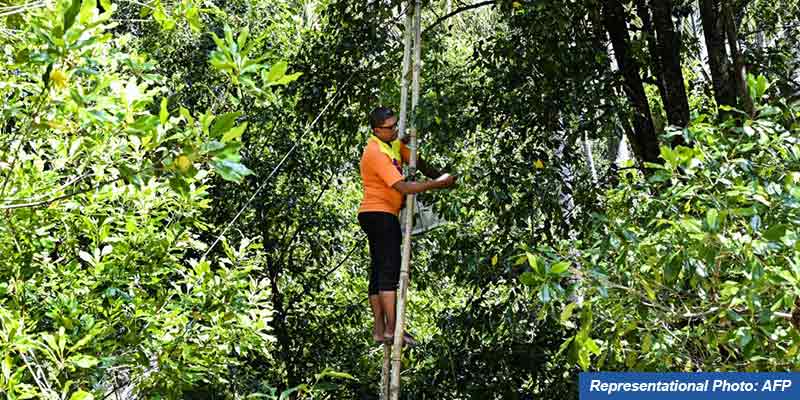
• Forests and trees play vital roles in food security, nutrition and livelihoods through the provision of food, fuel, employment and cash income.
• There are strong links between forest cover and dietary quality. For example, a study in Africa found that children living in areas with greater tree cover tend to have more diverse and nutritious diets.
• Forests and trees support food security and nutrition (FSN) by providing fruits, nuts, tubers, mushrooms, edible insects and wild meat.
• More than 50,000 wild species are used for food, medicine and other purposes, including at least 10,000 species consumed directly as food.
• In some forest-dependent communities, forest foods can supply up to 80 percent of daily protein requirements.
• Forest fruits are rich in minerals and vitamins, while seeds and nuts contribute calories, oil and protein to diets.
• Edible roots and tubers are sources of carbohydrates, and mushrooms provide important nutrients such as potassium, selenium and vitamins.
• Wild leaves are rich sources of protein and micronutrients, including vitamin A, calcium and iron, which are often lacking in the diets of nutritionally vulnerable communities.
• Forests also contribute to health. More than one billion people worldwide rely on medicinal plants sourced from forests, including remedies for illnesses that can affect nutrient absorption and overall wellbeing.
• Beyond food and health, forests provide fuel (around 1.8 billion people rely on woodfuel for cooking), income and employment, while supporting biodiversity, soil fertility, water resources and climate change mitigation.