
- World
- Oct 23
International Day of the Snow Leopard on October 23
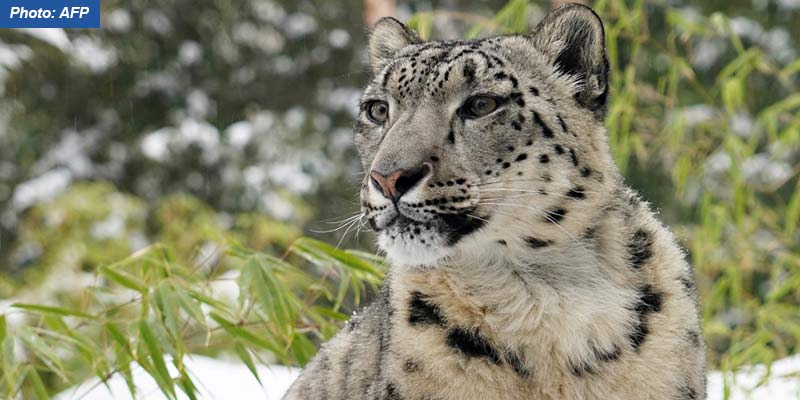
• The United Nations observes International Day of the Snow Leopard on October 23.
• It aims to enhance international and regional cooperation in support of efforts to conserve the snow leopard, given its role in the overall ecosystem.
Key facts on snow leopard:
• The snow leopard (Panthera uncia) is found in the high mountain regions of Asia.
• It is an iconic and ecologically significant species found across the mountainous areas, including in Afghanistan, Bhutan, China, India, Kazakhstan, Kyrgyzstan, Mongolia, Nepal, Pakistan, the Russian Federation, Tajikistan and Uzbekistan.
• The snow leopard is usually solitary and highly elusive.
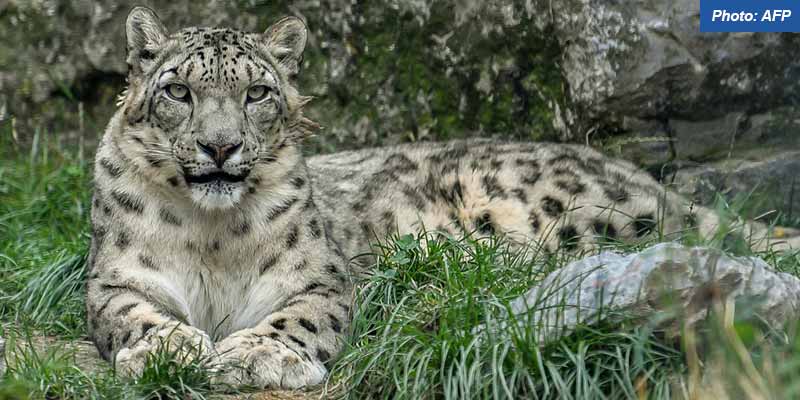
• Locals living alongside the leopards often refer to them as the ‘ghosts of the mountains’ as they are hardly ever seen.
• Dawn and dusk are the snow leopard’s most active times.
• Snow leopards are not known to be aggressive toward humans.
• They have spotted white-greyish fur that keeps them well insulated in cold weather.
• The snow leopard is at the apex of the food pyramid in the Himalaya, helping in the maintenance of the balance of nature. It is therefore regarded as an “Umbrella Species”.
• The snow leopard has been listed in appendix I to the Convention on International Trade in Endangered Species of Wild Fauna and Flora (CITES) since 1975, and in appendix I to the Convention on the Conservation of Migratory Species of Wild Animals since 1986.
• Also, the snow leopard’s population was classified as “vulnerable” on the International Union for Conservation of Nature Red List of Threatened Species in 2017 and is facing a high risk of extinction in the wild in the medium-term future.
• The greatest threats to the survival of the snow leopard are habitat loss and fragmentation, prey depletion and illicit trafficking, illegal hunting, including poaching, and climate change.
• Safeguarding and conservation of the snow leopard contribute to the implementation of the 2030 Agenda for Sustainable Development, including SDG 6 (Water and Sanitation), SDG 13 (Climate Action) and SDG 15 (Biodiversity).
Conservation efforts in India
• The Wildlife Institute of India (WII) carried out the first-ever ‘Snow Leopard Population Assessment in India’ (SPAI) with the support of all snow leopard range states and two conservation partners — the Nature Conservation Foundation, Mysuru, and WWF-India — between 2019 and 2023.
• India has an estimated 718 snow leopards with Ladakh reporting the maximum number (477) of these elusive cats.
• India has made significant steps for conservation of snow leopards.
• With 34 per cent of the habitat under legal protection and over 35,000 sq km designated for landscape-level conservation, there is a strong foundation in place.
• India has moved towards participatory, landscape-based conservation projects after realising the limitations of exclusive protected areas and capacity restrictions. This shift is critical since about 70 per cent of the land used by snow leopards is still unprotected and provides critical habitat for wildlife.
• Initiatives like Project Snow Leopard and Global Snow Leopard & Ecosystem Protection Programme have been instrumental in this shift, collectively covering close to half of India’s snow leopard range.
• This represents a noteworthy transition from the exclusive focus on protected areas to collaborative landscape management over the past decade.
• India launched International Big Cat Alliance (IBCA) in 2023 with the aim of conservation of seven big cats — tiger, lion, leopard, snow leopard, cheetah, jaguar and puma.