
- World
- Oct 31
Explainer - What is urban regeneration?
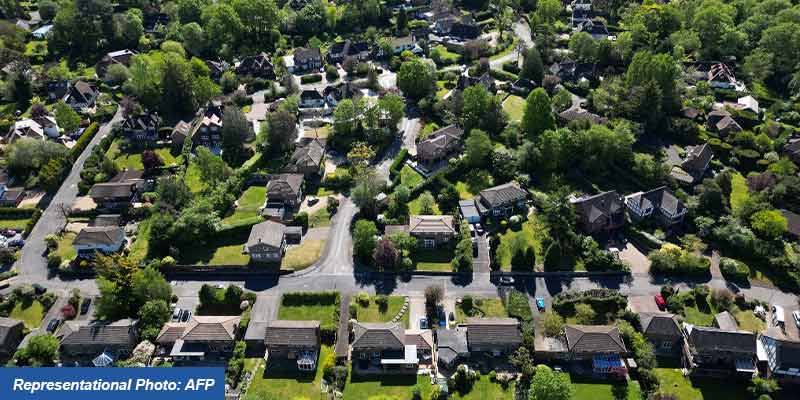
• The United Nations observes World Cities Day on October 31.
• It aims to promote international cooperation in addressing the opportunities and challenges of rapid urbanisation and to contribute to sustainable urban development worldwide.
• This year’s theme is “Regenerating the City: Adequate Housing for All”.
• It focuses on urban regeneration as a catalyst for achieving adequate housing for all and on how area-based regeneration, combined with housing and informal-settlement strategies, can create more inclusive and climate-resilient neighbourhoods.
• Cities around the world are confronting interconnected pressures, including housing affordability challenges, ageing neighbourhoods and infrastructure, underutilised urban land, climate-related risks and widening social inequalities.
• With up to 3.4 billion people worldwide lacking access to adequate housing, including more than 1.1 billion people living in informal settlements and slums, cities face the challenge of improving existing neighbourhoods while meeting growing housing needs.
• Urban regeneration offers an opportunity to address these challenges by improving existing urban areas while expanding access to adequate housing and ensuring that no one is left behind.
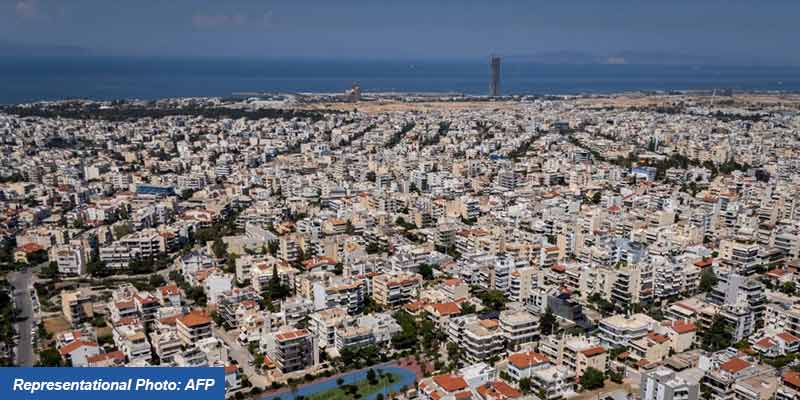
What is urban regeneration?
• Urban regeneration has been defined as a comprehensive, area-based and multi-agent collaborative planning process that improves the physical, environmental and socioeconomic conditions of an urban area.
• Urban regeneration brings back underutilised assets and redistributes opportunities, increasing urban prosperity and quality of life.
• The initiatives are complex, lengthy and run the risk of gentrifying private space or privatise public one.
• The preservation and valorisation of historic and cultural heritage is a key opportunity for urban regeneration as well.
• Urban regeneration requires a diversity of approaches, such as redevelopment of brownfields, densification and intensification strategies, the diversification of economic activities, heritage preservation and reuse, public space reactivation and strengthening of service delivery.
Urban regeneration process involves three key assets:
i) Land: a valuable resource for municipal governments, particularly for revenue generation. Planning the regeneration of under-utilised urban land requires comprehending the city’s land ownership regime. Local governments and planners use regulatory tools such as land-use planning, zoning regulations, and land readjustment to control land use.
ii) Community: Participation allows communities to express their needs and provide valuable local knowledge for informing decision-making.
iii) Environment: Underused urban land, often located near water bodies, former industrial corridors, or disaster-prone areas, pose challenges due to past land uses and potential contamination. Consequently, it is crucial to view environmental aspects as integral components in designing sustainable urban regeneration projects.