
- World
- Nov 03
Six out of seven journalists’ killings are not brought to justice
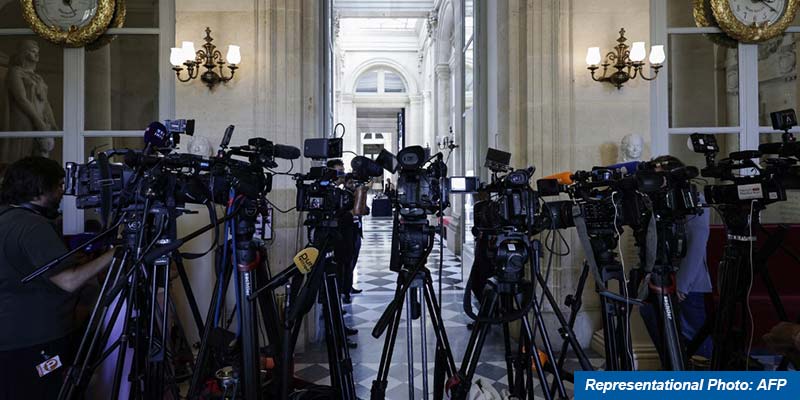
• Global impunity for journalist killings has risen for the first time in more than a decade, while the growing use of drones is an emerging threat for reporters in conflict zones, according to the latest report from UNESCO.
• The Director-General’s Report on the Safety of Journalists and the Danger of Impunity is published every two years, coinciding with the commemoration of the International Day to End Impunity for Crimes against Journalists.
• UNESCO observes ‘International Day to End Impunity for Crimes against Journalists’ on November 2.
Key points of the report:
• Between 2006 and 2025, over 1,600 journalists have been killed around the world, with close to six out of seven cases of these killings remaining judicially unresolved, according to the UNESCO report.
• Impunity leads to more killings and is often a symptom of worsening conflict and the breakdown of law and judicial systems.
• Impunity damages whole societies by covering up serious human rights abuses, corruption, and crime.
• Impunity increased in the 2024-2025 period to 86 per cent, from 85 per cent in the previous biennium.
• As many as 189 journalists were killed in 2024 and 2025, which is 20 per cent more than during the previous biennium.
• Just over two thirds of these journalists – 127 - were killed in conflict zones.
• The highest number of verified cases were in the Arab States (97) followed by Latin American and the Caribbean (37), Asia-Pacific (34), Central and Eastern Europe (14), Africa (6) and Western Europe and North America (1).
• The State of Palestine had the highest number of killings in both years, at 30 and 32, respectively.
• The report identifies a disturbing new threat: the growing use of unmanned aerial vehicles (UAVs), or drones to kill journalists.
• During the 2024-2025 biennium, 50 journalists, which is 40 per cent of the total killed in conflict zones, were killed by drone strikes.
• UNESCO also documented seven incidents in which several journalists were targeted and killed in a single attack, including strikes on media workplaces and temporary reporting centres.
• Of the 14 women journalists killed during 2024–2025, about 93 per cent died while covering conflicts.
• Although women account for a relatively small proportion of journalists killed, they continue to face disproportionate levels of online and offline abuse and harassment.