
- World
- Nov 11
Israel President asks Eisenkot to form govt
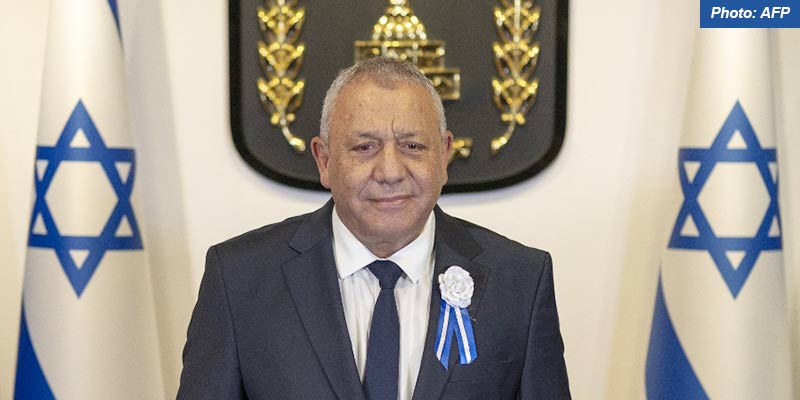
• Israel’s Parliament was sworn in on November 10 without a new government.
• The October 27 general elections gave neither Prime Minister Benjamin Netanyahu nor opposition leader Gadi Eisenkot a clear majority in Parliament.
• Lawmakers elected in the election took their oaths of office.
• Israel’s President Isaac Herzog has officially given Eisenkot the first chance to form the next government.
Who won the most seats in the election?
• Netanyahu’s Likud won the most seats of any single party with 27 in the 120-seat Knesset.
• But Netanyahu’s coalition garnered only 53 in total, short of a 61-seat majority.
• Eisenkot’s Yashar party emerged as the second-largest party with 21 seats, while his coalition, spanning four centre-left to right-wing Jewish-led parties, won just 48 seats.
• Two parties representing Israel’s Arab minority won an unprecedented 19 seats.
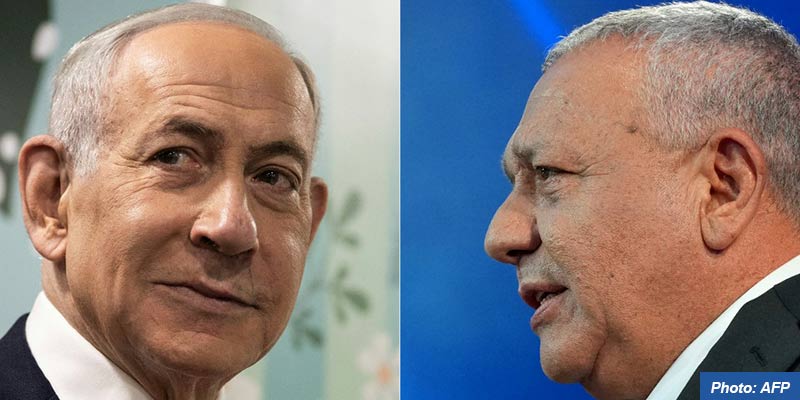
What next for Eisenkot?
• Born in Tiberias in 1960 to parents who immigrated from Morocco, Eisenkot spent four decades in the Israeli military before entering politics.
• He was chief of staff of the Israel Defense Forces (IDF) from 2015 to 2019.
• Eisenkot entered politics in 2022. He joined the National Unity party led by former military chief Benny Gantz.
• After Hamas’s October 7, 2023, attack on Israel, he joined Netanyahu’s emergency war cabinet.
• He left the cabinet in June 2024.
• He later formed his own party, Yashar, and emerged as Netanyahu’s main challenger in the election campaign.
• Eisenkot is now a step closer to ousting Israel’s longest-serving premier.
• He has up to six weeks to form a coalition.
• Eisenkot has to launch complicated negotiations with potential coalition partners.
• Among the kingmakers are the Arab-led parties. They made historic gains in the election and have been a target of Netanyahu and his allies.
• Eisenkot’s core bloc has 48 seats, but will hit a majority if the 19 Arab-Israeli lawmakers either enter the government or, more likely, vote for it without joining.
• Netanyahu and his allies have repeatedly portrayed the Arab-led parties as a threat to national security, while Eisenkot has indicated a willingness to partner with them under certain conditions, including calling Hamas a terrorist group that needs to be destroyed.