
- World
- Nov 21
WFP plans to assist 91 million in 2027 as hunger crisis deepens
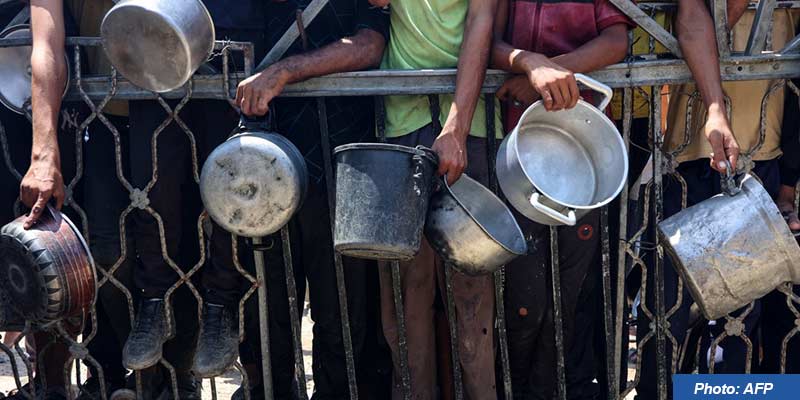
• Global Outlook for 2027 by the United Nations World Food Programme (WFP) revealed that at least 266 million people worldwide face acute hunger as conflict, economic shocks and climate change continue to drive food insecurity and humanitarian needs.
• Among them, 39.1 million people are experiencing Emergency or worse levels of food insecurity (IPC/CH Phase 4+), with women, children, refugees and internally displaced people particularly affected.
• The WFP will require $12.1 billion to assist 91 million people in 2027.
• It warned that millions more will go hungry as funding shortfalls continue and another global food crisis looms.
• WFP called for flexible, predictable funding that allows it to direct resources to areas with the greatest needs and ensure every dollar has maximum impact.
Other key points of WFP's Global Outlook for 2027
• Acute food insecurity is expected to remain at alarming levels in 2027.
• Several areas of Sudan remain at risk of famine, with the conflict in its fourth year, while famine risks persist in parts of Somalia and South Sudan.
• Although food security conditions in Gaza have improved following increased access and assistance since early 2026, the situation remains highly fragile.
• Catastrophic levels of food insecurity continue to be reported in Nigeria, Somalia, South Sudan, Sudan and Yemen.
• Multiple disruptions are simultaneously placing pressure on the global food system.
• Ongoing instability in the Strait of Hormuz, the Red Sea and the Black Sea is increasing transport costs for food, fuel and fertilizer.
• At the same time, the emergence of a potentially historic El Nino event threatens harvests, agricultural livelihoods and food supply chains across multiple regions.
• A very strong, potentially historic El Nino developed in 2026. It is forecast to persist through spring 2027, significantly shaping global weather patterns and affecting agricultural production, water availability and the occurrence of extreme shocks worldwide.
• Together, these pressures risk reinforcing one another, creating conditions for a third major food shock in six years following COVID-19 and the war in Ukraine.
• Import-dependent economies remain particularly exposed, while smallholder farmers and vulnerable people face rising costs, weaker harvests and declining purchasing power.
Conflict remains the primary driver
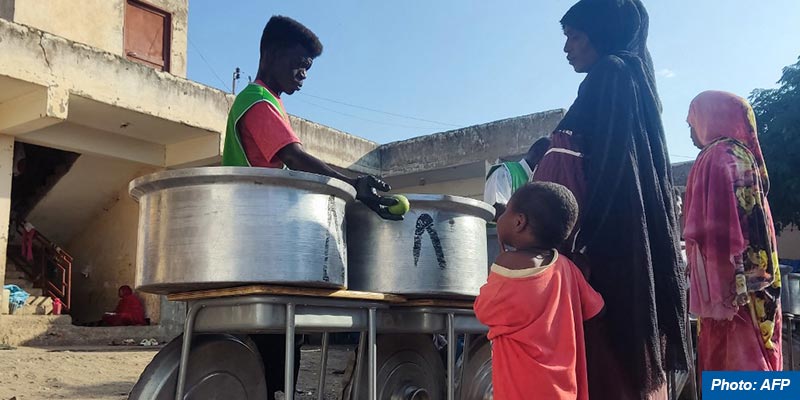
• Conflict continues to drive the most severe food security crises across the world.
• Violence disrupts agricultural production, displaces communities, restricts market access and undermines the delivery of humanitarian assistance.
• By the end of 2025, nearly 118 million people had been forcibly displaced worldwide.
• Although overall displacement declined slightly compared to 2024, many returns were driven by deteriorating conditions and reduced assistance rather than improvements in stability.
• Political violence continued to increase in 2026, and access constraints are increasingly limiting humanitarian operations in some of the world’s most vulnerable settings.