
- World
- Nov 27
Explainer - What are endocrine-disrupting chemicals?
• Exposure to endocrine-disrupting chemicals (EDCs) can begin before birth, leading to a broader range of human and environmental health effects than previously understood.
• This was revealed in a report released by the United Nations Environment Programme (UNEP) and the World Health Organisation (WHO) on November 17.
What is endocrine system?
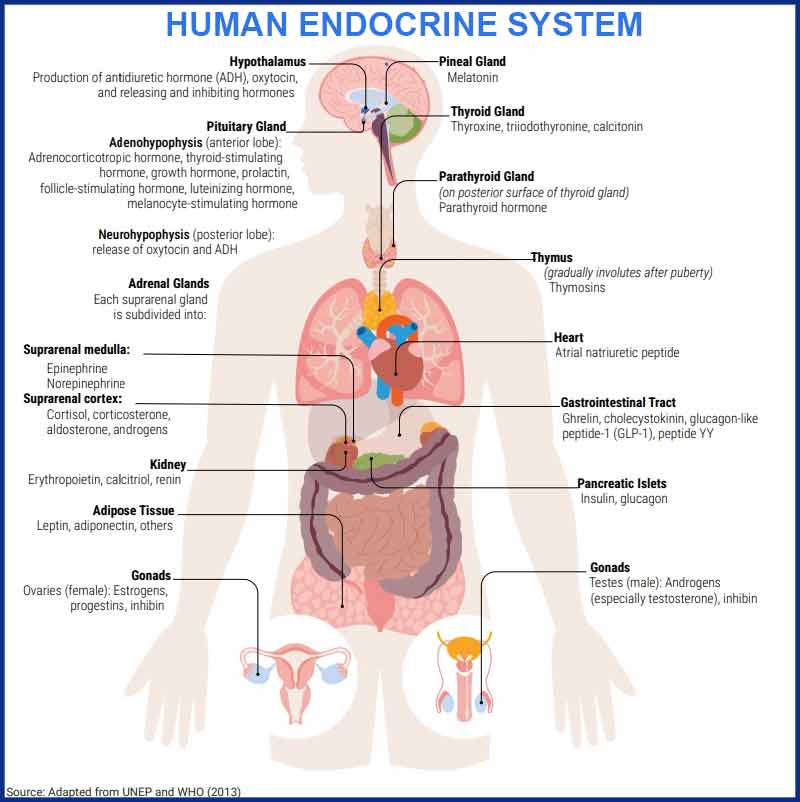
• The endocrine system in humans and (vertebrate) animals consists of a series of ductless glands that secrete signalling molecules (hormones) directly into the bloodstream to induce physiological responses and cell, tissue and organ functions.
• Classical hormones include the principal hormones of the female and male reproductive systems such as testosterone and other androgens, estradiol and other estrogens, and progesterone and other progestins.
• In addition, the endocrine system includes the thyroid hormone system, the adrenal steroids including glucocorticoids and mineralocorticoids, insulin, glucagon and related metabolic hormones, hormones produced by the pituitary gland (for example, growth hormone, prolactin and
follicle-stimulating hormone), hormones produced by the hypothalamus (for example, oxytocin, vasopressin, somatostatin, thyrotropin-releasing and gonadotropin-releasing hormones), and many others.
• The physiological effects of hormones include control of body temperature and blood pressure, reproductive functions including the production of gametes, the storage of nutrients, stimulation of milk production in mammals, and many others.
• Hormones also act on the brain to integrate behaviours to align with the physiological effects of hormone action.
• For example, hormones coordinate feelings of hunger and satiety, while also controlling blood sugar levels; and hormones mediate mating behaviours, while also controlling ovulation.
What are endocrine-disrupting chemicals?
• Endocrine-disrupting chemicals (EDCs) are substances that interfere with the system of glands and hormones that regulate essential bodily functions, like growth, development, reproduction, and metabolism.
• EDCs can affect how hormones are produced, released, or act in the body, with potential long-term consequences.
• They can enter the body through food, drinking water, air, dust, and direct contact with some consumer products.
• These chemicals, which can interfere with the body’s hormones, have been detected in blood, breast milk, and cord blood.
• Early exposure, sometimes before babies are born, can cause hormone disruption that can have lasting effects on brain development, growth, and reproductive health.
Where are endocrine-disrupting chemicals found?
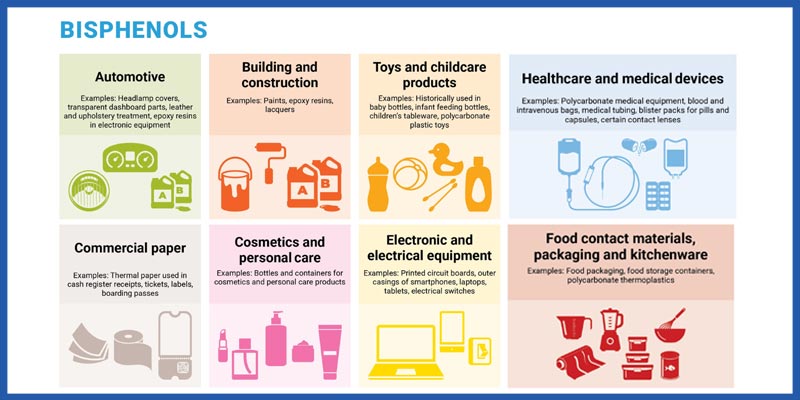
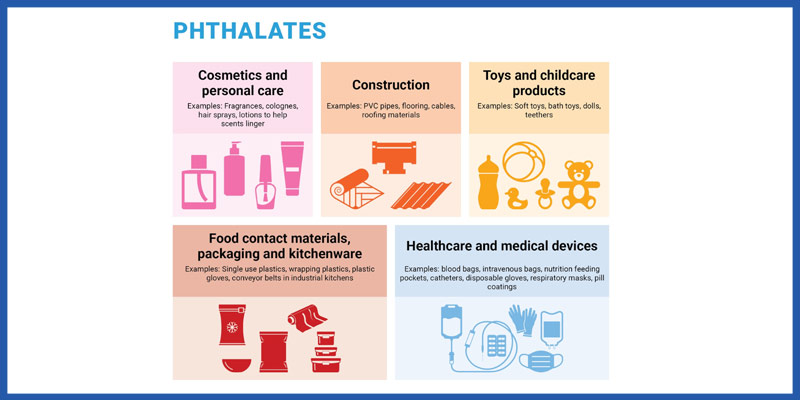
• EDCs can be found in everyday products, such as food containers and packaging, cookware, cosmetics, toys, clothing, furniture and building materials.
• Common examples include bisphenols and phthalates, used in certain plastics and toys.
• Per- and polyfluoroalkyl substances (PFAS) are found in some types of food packaging, textiles, and furnishings.
• Parabens are often used in personal-care products.
• The presence of a chemical group in a product does not necessarily mean that the product poses a health risk.
• It depends on the specific chemical and the level and timing of exposure, among other factors.
What do endocrine disruptors do to the human body?
• Research has linked exposure to EDCs to a range of health problems.
• They could cause reduced sperm quality, changes in reproductive hormone levels, and disorders affecting female reproductive health, including endometriosis and polycystic ovary syndrome.
• Some EDCs can interfere with the hormones that regulate metabolism, contributing to obesity, type 2 diabetes, and metabolic liver disease.
• Growing evidence suggests EDCs can affect immune system development and function, while other studies report associations with asthma, allergies and some autoimmune conditions.
• New research has also raised concerns about possible effects on cardiovascular and kidney health.
How do endocrine disruptors affect wildlife and the environment?
• The effects extend well beyond human health. Across fish, birds, amphibians, and mammals, EDC exposure has been linked to impaired reproduction, development, and behaviour.
• EDCs enter the environment in several ways, including via wastewater and industrial pollution.
• While some EDCs break down relatively quickly, others can persist for years or even decades.
• Certain chemicals accumulate in animals’ fatty tissues and become more concentrated as they move up the food chain.
• In wildlife, scientists have documented various effects, such as altered sex ratios, reduced reproductive success, and changes in mating, migration, feeding, and predator avoidance.
How much do endocrine-disrupting chemicals cost the global economy?
• EDC exposure costs the global economy more than $1.1 trillion per year through healthcare expenses and lost productivity.
• The new UNEP-WHO report warns that this figure is likely an underestimate because it includes only a limited number of health conditions and chemicals with available data.
• The environmental cost is even harder to calculate. Damage to wildlife and ecosystems can affect food production, water quality and other essential resources.
Who is responsible for regulating endocrine disruptors?
• Governments regulate chemicals through national and regional laws, while international agreements address hazardous substances.
• However, no universally harmonised system exists for identifying endocrine-disrupting chemicals and many substances have not been adequately tested.
• Monitoring is also limited, particularly in low and middle-income countries, where laboratory capacity and resources for chemical testing may be lacking.
Are safer alternatives available to endocrine-disrupting chemicals?
• Safer materials and technologies exist, although their suitability may depend on the product.
• For example, glass, stainless steel and cast iron can replace cookware and plastic food containers that contain EDCs.
• Manufacturers can use alternative preservatives and mineral-based UV filters in cosmetics, while toys and childcare products can be designed without EDCs.
• In textiles and furniture, PFAS-free finishes, safer dyes and alternative approaches to flame retardancy can reduce exposure.
• Healthcare providers can use medical devices made without certain phthalates, another type of EDC, where clinically appropriate.