
- World
- Nov 28
Measles deaths hit historic low
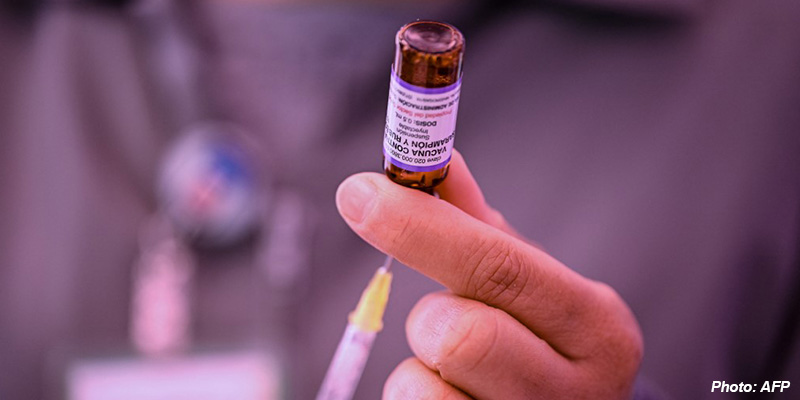
• Measles deaths are at a historic low worldwide as more children are vaccinated, the World Health Organisation (WHO) said in a report released on November 27.
• In 2025, an estimated 72,000 people died from measles worldwide, a 91 per cent reduction since 2000.
• Looking at global measles over the past 25 years, the report estimates that measles vaccination has saved more than 60 million lives since 2000.
• However, vaccination coverage remains insufficient and uneven across many countries, putting progress towards measles elimination at risk.
Measles - one of the most contagious diseases
• Measles is one of the most contagious diseases in the world. One infected person can transmit the virus to as many as 18 susceptible individuals.
• Measles is caused by a virus in the paramyxovirus family. The virus infects the respiratory tract, then spreads throughout the body. Measles is a human disease and is not known to occur in animals.
• It is spread by coughing and sneezing, close personal contact or direct contact with infected nasal or throat secretions.
• Measles can damage the immune system by “erasing” its memory of how to fight infections, leaving survivors vulnerable to other diseases.
• Symptoms of measles usually begin 10-14 days after exposure to the virus. A prominent rash is the most visible symptom. The rash begins about 7-18 days after exposure, usually on the face and upper neck. It spreads over about three days, eventually to the hands and feet. It usually lasts five-six days before fading.
• Even when people survive measles, serious health effects can occur, some of which are lifelong. Infants and young children are at greatest risk of serious complications from the disease, which include blindness, pneumonia, and encephalitis (an infection causing brain swelling and potentially brain damage).
• Before the introduction of the measles vaccine in 1963 and widespread vaccination, major epidemics occurred approximately every 2-3 years and measles caused an estimated 2.6 million deaths each year.
• Measles outbreaks can result in epidemics that cause many deaths, especially among young, malnourished children. In countries where measles has been largely eliminated, cases imported from other countries remain an important source of infection.
• Most measles-related deaths are caused by complications including swelling of the brain and dehydration.
• Serious complications are most serious in children under five and adults over 30.
• There is no specific treatment for measles, but the two-dose vaccine against it is about 97 per cent effective in preventing severe illness and death.

Setback in the Americas
• Globally, nearly 10 million people were estimated to have been infected with measles in 2025.
• While this is among the lowest estimated levels reported, trends varied substantially by region.
• In the Region of the Americas, case numbers increased eight-fold since 2000, with 73,000 people infected in 2025.
• Nearly half of the global cases occurred in the South-East Asia Region.
• While global measles immunisation coverage remained largely unchanged in 2025, with 84 per cent of children receiving a first dose and 77 per cent receiving a second dose, the global trends mask regional and national declines and inequities.
• The Region of the Americas has seen immunisation coverage decline from levels above 90 per cent before the COVID-19 pandemic.
• Most concerning is the recent loss of measles elimination status in several countries.
• By the end of 2025, as many as 95 countries had been verified as having achieved or maintained measles elimination.
• However, ongoing challenges, including the recent loss of elimination status in several countries underscore that elimination is not the finish line.
• Without consistently high vaccination coverage in every community, strong surveillance systems and sustained political will, the virus can quickly regain a foothold.