
- India
- Dec 10
Deepavali inscribed on UNESCO Intangible Cultural Heritage list
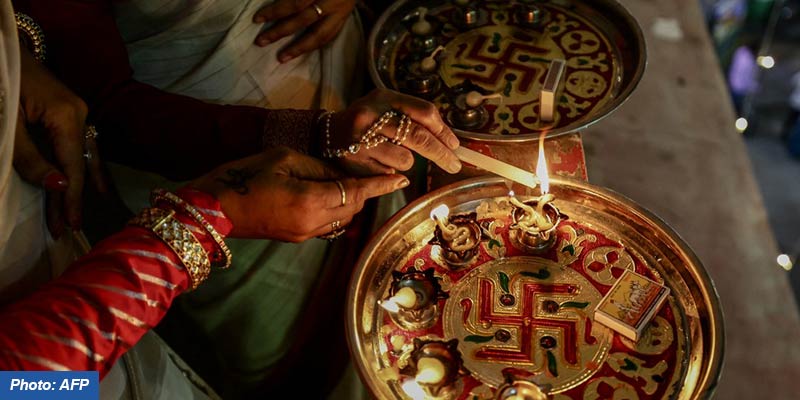
• India’s Deepavali was inscribed on the UNESCO’s Representative List of the Intangible Cultural Heritage of Humanity on December 10.
• The decision was taken during the 20th session of the Intergovernmental Committee for the Safeguarding of the Intangible Cultural Heritage (ICH) being hosted at the Red Fort in Delhi.
• Prime Minister Narendra Modi welcomed the addition of Deepavali to the UNESCO's Intangible Heritage List, saying it will contribute to the festival’s global popularity.
• India had sent the Deepavali nomination dossier to UNESCO in 2023 for the 2024-25 cycle.
• This is the sixteenth element from India to be inscribed on the Representative List of the Intangible Cultural Heritage of Humanity.
Deepavali
• Deepavali, also known as Diwali, is a “festival of lights” celebrated annually by diverse individuals and communities across India, that marks the last harvest of the year and the start of a new year and new season.
• Based on the lunar calendar, it falls on the new moon in October or November and lasts several days.
• It is a joyous occasion that symbolises the victory of light over darkness and good over evil.
• During this time, people clean and decorate their homes and public spaces, light lamps and candles, set off fireworks, and offer prayers for prosperity and new beginnings.
• Deepavali is one of the timeless festivals of India which is also now celebrated in many other parts of the world.
Other Indian elements inscribed on UNESCO list:
i) Nawrouz
ii) Garba of Gujarat
iii) Durga Puja in Kolkata
iv) Kumbh Mela
v) Yoga
vi) Traditional brass and copper craft of utensil making among the Thatheras of Jandiala Guru, Punjab
vii) Sankirtana, ritual singing, drumming and dancing of Manipur
viii) Buddhist chanting of Ladakh: recitation of sacred Buddhist texts in the trans-Himalayan Ladakh region
ix) Chhau dance
x) Kalbelia folk songs and dances of Rajasthan
xi) Mudiyettu, ritual theatre and dance drama of Kerala
xii) Ramman, religious festival and ritual theatre of the Garhwal Himalayas
xiii) Kutiyattam (Koodiyattam), Sanskrit theatre
xiv) Ramlila, the traditional performance of the Ramayana
xv) Tradition of Vedic chanting.