
- World
- Jun 25
- Sreesha V.M
UN adopts political declaration to end AIDS as public health threat by 2030
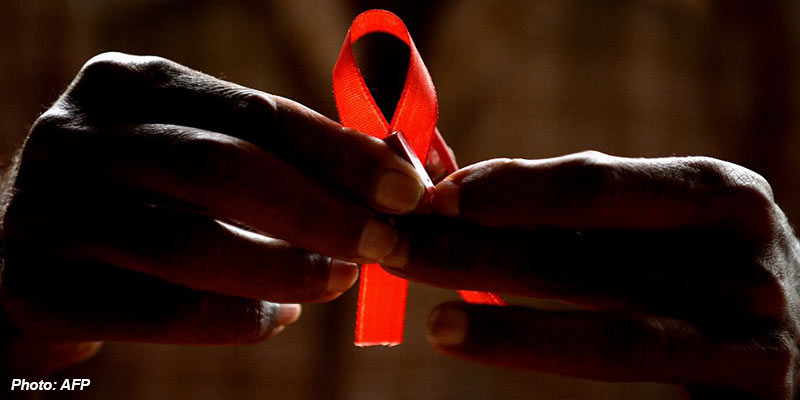
• The United Nations High-Level Meeting on HIV/AIDS concluded in Geneva on June 23 with an overwhelming majority of Member States adopting a new political declaration on HIV and AIDS with strong support.
• The outcome follows weeks of negotiations with all Member States and engagement with communities, civil society and partners.
• It demonstrates that, even in an environment marked by reduced international financing and multilateralism, countries continue to recognise the urgency of sustaining progress against HIV.
• The High-Level Meeting on HIV/AIDS was convened by Annalena Baerbock, president of the General Assembly.
• The High-Level Meeting brought together people living with HIV, communities, civil society, the private sector, scientists and leaders to reflect on progress in the AIDS response, the risks to sustaining it and priorities for the next five years.
Highlights of the declaration
• The 2026 political declaration reflects the ambitious targets contained in the new Global AIDS Strategy 2026-2031 and committed to convene a High-Level Meeting in 2031 to review progress against the pandemic after the 2030 milestone.
• The declaration will serve as an important road map to advance further success in the global HIV response over the next five years.
• It will guide global efforts to accelerate additional progress despite decreases in funding for HIV and anti-rights headwinds.
Setting out an agenda to evolve the global AIDS response for the shifting pandemic, it includes important new and ambitious targets and commitments to:
i) Increase equitable coverage of HIV testing, treatment and prevention.
ii) Addressing funding gaps.
iii) Protect human rights and gender equity.
iv) Expand access to HIV medicines and other technologies through sharing of technology and strengthening local production for sustainability.
v) Expanding the space for communities and civil society in the AIDS response.
Through the Declaration, Member States committed to:
i) Strengthen country ownership and leadership to ensure integrated, multisectoral and people-centred HIV responses, supported by sustainable domestic and international financing.
ii) Mobilise adequate, predictable and sustainable resources for HIV responses, including increased domestic investment and achievement of global financing targets.
iii) Achieve the 95-95-95 targets by 2030 through universal access to HIV testing, treatment and viral suppression services.
iv) Integrate HIV services within universal health coverage and primary health-care systems, ensuring continuity of care and stronger health systems.
v) Accelerate equitable access to comprehensive HIV prevention, including evidence-based biomedical, behavioural, structural and community-led interventions.
vi) Eliminate vertical transmission of HIV and end paediatric AIDS, ensuring integrated maternal, newborn and child health services.
vii) Promote and protect human rights, gender equality and access to justice, including the elimination of HIV-related stigma, discrimination, violence and restrictive legal barriers.
viii) Ensure equitable access to affordable medicines, diagnostics and health technologies, while strengthening local production, innovation and research, including for an HIV vaccine and cure.
ix) Strengthen and resource community leadership and participation, ensuring meaningful engagement of people living with, affected by and at risk of HIV in decision-making, service delivery and accountability mechanisms.
95-95-95 targets
Adopted by United Nations Member States in June 2021, alongside ambitious targets for primary prevention and supporting enablers, the 95-95-95 HIV testing, treatment and viral suppression targets aim to close gaps in HIV treatment coverage and outcomes in all sub-populations, age groups and geographic settings.
It envisions that:
i) By 2031, at least 95 per cent of people living with HIV know their HIV status.
ii) At least 95 per cent of people who know their HIV status are on treatment.
iii) At least 95 per cent of people on treatment have a suppressed viral load.
Key facts about HIV:
• Human immunodeficiency virus (HIV) is a virus that attacks the body’s immune system. Acquired immunodeficiency syndrome (AIDS) occurs at the most advanced stage of infection.
• HIV targets the body’s white blood cells, weakening the immune system. This makes it easier to get sick with diseases like tuberculosis, infections and some cancers.
• CD4 cells, also known as CD4+ T lymphocytes, are a type of white blood cells that plays a crucial role in the immune system. HIV destroys these CD4 cells, weakening a person’s immunity against infections.
• If the person’s CD4 cell count falls below 200, their immunity is severely compromised, leaving them more susceptible to infections.
• The most advanced stage of HIV infection is acquired immunodeficiency syndrome (AIDS), which can take many years to develop if not treated, depending on the individual.
• HIV is spread from the body fluids of an infected person, including blood, breast milk, semen and vaginal fluids. It is not spread by kisses, hugs or sharing food. It can also spread from a mother to her baby.
• HIV spreads more easily in the first few months after a person is infected, but many are unaware of their status until the later stages. In the first few weeks after being infected people may not experience symptoms. The infection progressively weakens the immune system.
• There is no cure for HIV infection. It is treated with antiretroviral drugs, which stop the virus from replicating in the body.
• Current antiretroviral therapy (ART) does not cure HIV infection but allows a person’s immune system to get stronger. This helps them to fight other infections.
(The author is a trainer for Civil Services aspirants.)