
- World
- Jul 22
French Parliament approves social media ban for under-15s
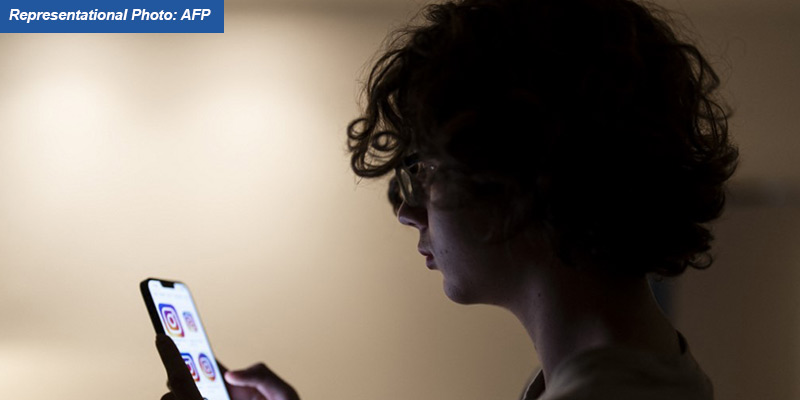
• The French Parliament approved a social media ban for children under 15.
• After approval by the Senate, members of the National Assembly passed the bill by 279 votes to 81.
• President Emmanuel Macron pledged to enforce it by September, the beginning of the school year in France.
• The Bill also bans the use of mobile phones in high schools.
• With this, France will become the first country in the European Union to ban social media for kids.
• With the new legislation, children younger than 15 would not be allowed to open a social media account from September 1.
• Social media platforms would have another four months to close accounts already open.
• The platforms would also need to use age verification.
• The EU has been mulling a social media ban since a push by member states, including France, Greece and Spain, for limiting access.
• A growing number of countries are taking steps to restrict social media access amid multiplying warnings over its harmful effects on children.
• These restrictions reflect genuine concern. Children are facing bullying, exploitation, and exposure to harmful content online with negative impacts on their mental health and well-being.
What is the scenario in other countries?
• The Australian government passed a law called the Online Safety Amendment (Social Media Minimum Age) Bill 2024 on November 28, 2024. This law introduces a mandatory minimum age of 16 for accounts on certain social media platforms. It came into effect on December 10, 2025, and parents cannot give their consent to let under-16s use these platforms.
• In Germany, minors aged 13 to 16 are allowed to use social media only if their parents provide consent.
• China has implemented a ‘fatigue system’ for gaming that restricts online gaming time (just one hour per day on weekends and holidays) and penalises overuse, enforced through real-name registration systems.
• In Italy, children under the age of 14 need parental consent to sign up for social media accounts, while no consent is required above that age.
• Denmark said it would ban social media for children under 15, while parents could provide access to certain platforms to kids down to the age of 13.
• The Norwegian government in 2024 proposed raising the age at which children can consent to the terms required to use social media to 15 from 13, although parents would still be permitted to sign off on their behalf if they are under the age limit. The government has also begun work on legislation to set an absolute minimum age limit of 15 for social media use.
• Poland’s ruling party is preparing new legislation to ban social media for children under 15 years of age and to hold platforms responsible for age verification.
• South Korea introduced the ‘Shutdown or Cinderella law’ in 2011, restricting minors from accessing gaming websites after midnight. This policy, grounded in the Game Industry Promotion Act, was later repealed in 2021 in favour of parental control models.
• Singapore has taken a community-based approach through its Media Literacy Council, which promotes responsible digital citizenship and cyber wellness across schools and public platforms.
• In April, Turkey’s Parliament passed legislation banning the use of social media by children under 15 and introducing new rules for digital platforms, including game software companies.
• In June, the UK government announced that social media app access will be banned for all children under the age of 16 by March 2027.
• Many countries are restricting student smartphone use through classroom bans, school-wide limits, or curfews to curb distractions and protect student well-being.
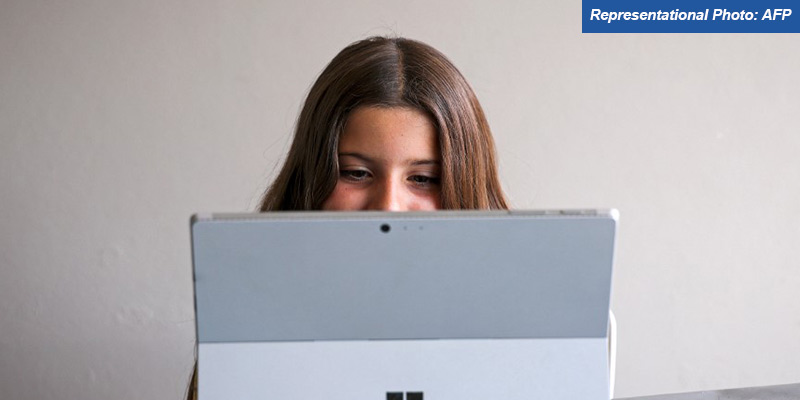
Can age restrictions keep children safe online?
• UNICEF says social media bans come with their own risks, and they may even backfire.
• Social media is not a luxury for many children, especially those who are isolated or marginalised.
• It is a lifeline providing access to learning, connection, play, and self-expression.
• What is more, many children and young people will still access social media, whether through workarounds, shared devices, or turning to less regulated platforms, ultimately making it harder to protect them.
• Age restrictions must be part of a broader approach that protects children from harm, respects their rights to privacy and participation, and avoids pushing them into unregulated, less safe spaces.
• Regulation should not be a substitute for platforms investing in child safety.
• Laws introducing age restrictions are not an alternative to companies improving platform design and content moderation.
• Social media and tech companies must redesign products with child safety and well-being at the centre, invest in safer platform design and effective content moderation, and develop rights-respecting age-assurance tools and differentiated experiences that offer younger users safer, developmentally appropriate environments.
• These protections must apply in all contexts, including fragile or conflict-affected countries where institutional capacity to regulate and enforce protections may be low.
• Regulators must have systemic measures to effectively prevent and mitigate online harm experienced by children.
• Parents and caregivers should be supported with improved digital literacy.